
Hylotelephium anacampseros
Hylotelephium anacampseros
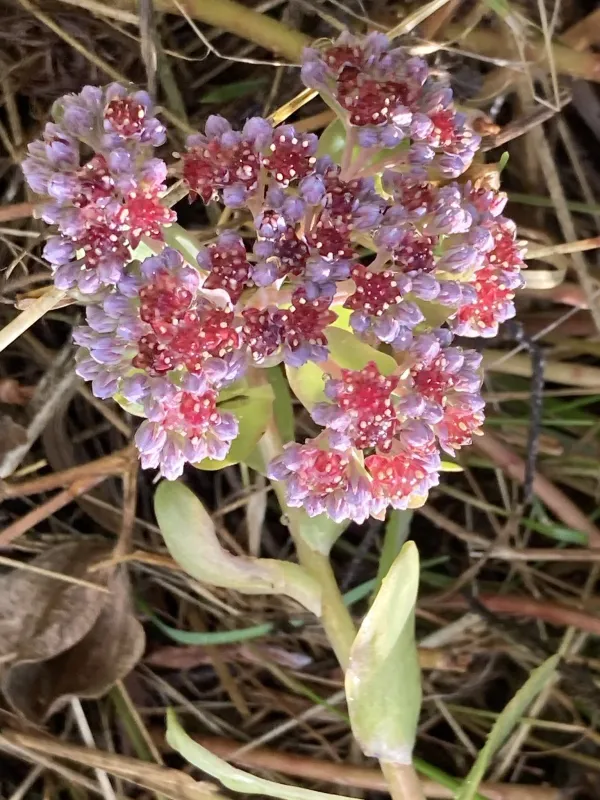
Description
Sowing dates
Sowing Hylotelephium anacampseros seeds is most effective in early spring, ensuring that young seedlings receive enough natural light to prevent etiolation.
Use a well-draining, sandy-peat substrate, placing seeds on the surface and pressing them lightly without covering them with a thick soil layer.
Maintain consistent humidity and temperatures around +18 to +20 degrees Celsius until germination occurs within a few weeks.
Gradually acclimatize the seedlings to direct sunlight to strengthen the stems and promote the formation of the characteristic succulent leaves.
Vegetative propagation via stem cuttings is a common agricultural practice, providing a reliable way to maintain the traits of the parent plant.
Growing requirements
Hylotelephium anacampseros is a resilient member of the Crassulaceae family, known for its fleshy, succulent leaves and robust growth habit.
The plant thrives in full sun, requiring bright exposure to develop its compact form and the rich coloration typical of the species.
Soil conditions must be lean and highly permeable, as the plant is adapted to rocky substrates with very low nutrient content.
Watering requirements are minimal; the plant stores moisture in its foliage, making it highly drought-tolerant compared to standard garden crops.
It prefers moderate temperatures and requires a dry period during dormancy to ensure longevity and prevent physiological stress.
Main diseases and pests
The primary threat to Hylotelephium anacampseros is excess moisture, which significantly increases the risk of root rot and stem decay.
Mealybugs are the most prevalent pests, often hiding in the dense rosettes and requiring systemic treatment for complete eradication.
Fungal pathogens such as gray mold can affect the foliage if the plants are kept in environments with poor air circulation and high humidity.
Nematodes may occasionally compromise the root system if the planting medium lacks proper drainage and becomes overly compacted.
Prevention relies on strict irrigation discipline and the removal of any decaying organic matter from the base of the plant.