
Purple stonecrop
Hylotelephium telephium (L.) H. Ohba
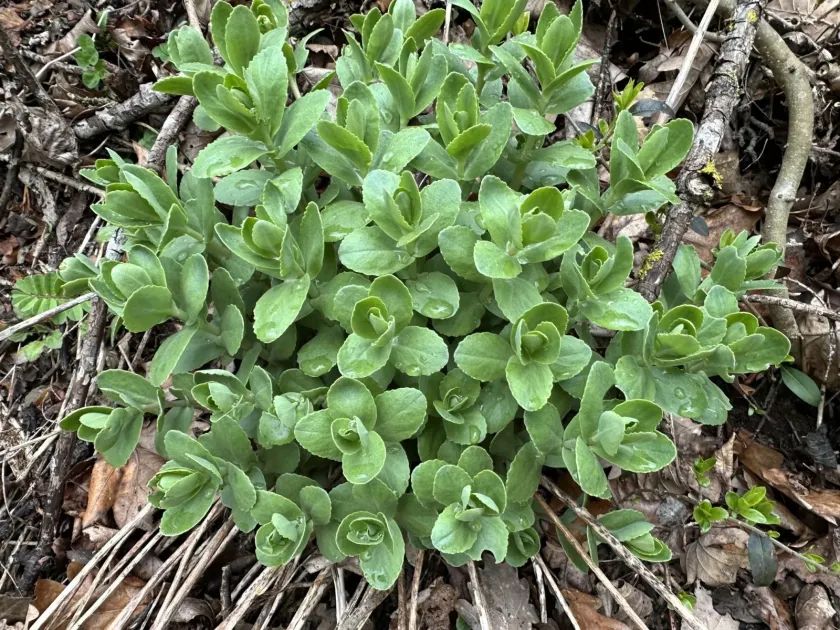
Description
Sowing dates
Purple stonecrop, a member of the Crassulaceae family, is typically propagated through vegetative methods such as division or stem cuttings during spring and autumn.
Seed propagation is possible but less common, as it requires specific cold stratification and controlled greenhouse conditions for consistent germination.
Seeds should be sown in a light, sandy substrate and kept at a temperature of approximately 20 degrees Celsius to encourage healthy seedling emergence.
Once seedlings reach a suitable size, they are transplanted into the open ground after the threat of frost has completely passed in the spring.
A planting density of 30 by 40 centimeters is recommended to allow each individual plant to develop its full architectural structure and foliage.
Growing requirements
This species is highly adaptable to various soil types but performs best in well-drained, sandy or loamy soils with a neutral pH balance.
As a drought-tolerant succulent, it is capable of storing water in its leaves, making it ideal for regions with irregular rainfall patterns.
Full sun exposure is crucial for the plant to achieve its most vibrant coloration and to ensure vigorous flowering throughout the late summer season.
While the plant is hardy, it struggles in waterlogged conditions, making proper soil drainage a top priority for any commercial cultivation site.
Minimal fertilization is generally sufficient, though a balanced low-nitrogen fertilizer can be applied in early spring to boost vegetative development.
Yield
The primary economic focus of purple stonecrop is the harvesting of its aerial parts, which contain valuable polysaccharides and unique medicinal compounds.
Standard yields depend on the intensity of management, with well-maintained plots capable of producing several tons of dried biomass per hectare.
Besides its medicinal value, the plant is highly appreciated as an ornamental crop in landscaping due to its resilience and attractive flower heads.
Periodic harvesting of the biomass provides a sustainable income source, provided that the root systems are left intact for long-term regrowth.
Quality control is vital, as the pharmaceutical industry requires specific concentrations of active ingredients found within the harvested leaves and stems.
Main diseases and pests
Root rot remains the most significant threat to the crop, primarily caused by excessive soil moisture and poor drainage in the cultivation area.
Fungal diseases like powdery mildew can appear in humid environments, necessitating improved ventilation and appropriate fungicide application when required.
Common agricultural pests such as aphids and leaf-eating beetles may target the succulent foliage, particularly during the early growth phases.
Slugs and snails can cause substantial damage to young shoots, requiring manual removal or safe biological deterrents in affected areas.
Integrated pest management, including regular crop rotation and site monitoring, is essential to minimize the risk of widespread disease outbreaks.
Harvesting
Harvesting should take place at the peak of the flowering period, ensuring that the concentration of bioactive compounds is at its highest.
Stems are carefully cut a few centimeters above the ground, allowing the roots to remain active and support the plant for future harvest cycles.
The collected biomass must be dried immediately in a shaded, well-ventilated area to prevent degradation and loss of chemical potency.
Avoid high-heat drying methods to ensure that the fragile therapeutic components of the plant remain stable throughout the processing period.
Once dried to the appropriate moisture level, the raw material can be stored in airtight containers to preserve its quality for commercial distribution.