
Hylotelephium ewersii
Hylotelephium ewersii
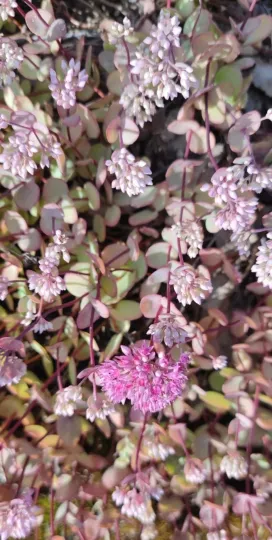
Description
Sowing dates
Hylotelephium ewersii is a perennial succulent belonging to the Crassulaceae family. Propagation is most effectively achieved through vegetative methods, specifically division or stem cuttings during the spring or early summer.
Seeds are extremely small and should be sown on the surface of a light, well-draining substrate without covering them, as they require light to germinate effectively.
For best establishment, the ideal planting time is late spring or late summer, allowing the root system to develop before the plant faces the stresses of winter or intense summer heat.
When starting from cuttings, it is important to allow the cut end to callus for a few days before placing it into sandy soil to prevent rotting in the initial stages of rooting.
Optimal planting density ranges from 9 to 12 plants per square meter, which encourages a quick carpet-like spread across the designated area of the garden.
Growing requirements
This species is highly adapted to rocky and sandy conditions, making it an excellent candidate for xeriscaping where soil fertility is relatively low.
A crucial factor for success is excellent drainage. The plant is highly susceptible to root rot if grown in heavy or waterlogged soil, so a gravelly mix is highly recommended.
Full sun is required to maintain the plant's characteristic compact habit and healthy blue-green foliage; insufficient light will cause the stems to become leggy and weak.
Originating from the mountainous regions of Central Asia, the plant possesses excellent cold tolerance and is well-suited for temperate climate zones.
Minimal water is needed once the plant is established; its fleshy leaves serve as water reservoirs, making it highly efficient at surviving periods of drought.
Main diseases and pests
Fungal infections are the most common issue, typically resulting from poor air circulation or soil that stays wet for too long, leading to stem and root rot.
Pests such as aphids and mealybugs can occasionally infest the succulent foliage, feeding on the plant juices and hindering its overall vigor and aesthetic appeal.
In humid conditions, leaf spot diseases can develop, which require the prompt removal of infected leaves and the application of an appropriate fungicide to prevent spread.
Gastropods like slugs and snails may graze on the foliage, leaving holes that disfigure the plant and create entry points for pathogens.
- Ensure adequate spacing between plants to improve airflow
- Avoid over-fertilization, especially with nitrogen-heavy products
- Keep the area around the plants clear of debris
- Monitor regularly for signs of pest infestation