
Hylotelephium cauticola
Hylotelephium cauticola (Praeger) H. Ohba
Description
Sowing dates
Propagation of Hylotelephium cauticola is most efficiently achieved through vegetative methods. Dividing mature clumps during the early spring, just as growth resumes, ensures the best success rate and health for new plants.
Cuttings can be taken throughout the summer months using healthy, firm stems. For best results, place the cuttings in a sandy, well-draining substrate to prevent moisture from causing decay in the initial stages.
If growing from seeds, they require a period of stratification to break dormancy. Sowing should occur in late winter indoors, providing cool temperatures to simulate natural conditions before the spring warming.
Transplanting into the permanent garden bed should only occur after the risk of frost has completely passed. This timing allows the plant to establish its root system before facing the stress of summer heat.
Planting density should be kept at approximately 20–30 centimeters apart to allow for proper airflow. Proper spacing prevents the microclimate between plants from becoming too humid, reducing disease risk.
Growing requirements
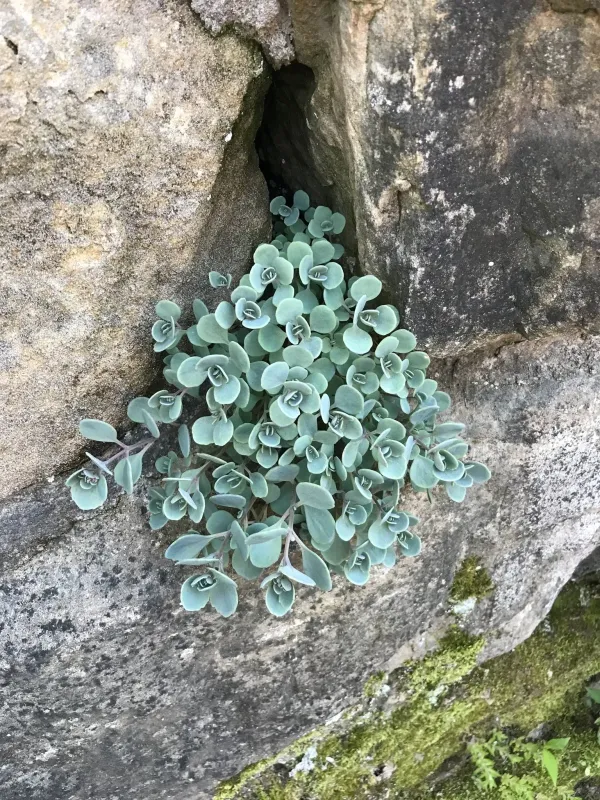
Hylotelephium cauticola is a prominent member of the Crassulaceae family, valued for its succulent foliage and robust nature. It is perfectly adapted to alpine environments and rock garden applications.
Originating from the mountain ranges of East Asia, specifically Japan, the plant is naturally accustomed to growing in rocky crevices. This heritage makes it an ideal candidate for low-maintenance landscaping.
Full sun exposure is critical for the health of this species. When grown in shade, the plants lose their characteristic compact growth habit and vibrant leaf coloration, becoming elongated and susceptible to breakage.
The soil must be exceptionally gritty, porous, and lean in nutrients. Amending garden soil with gravel or pumice is essential for improving drainage and mimicking the plant's natural habitat conditions.
This species is highly drought-tolerant and stores water efficiently within its fleshy leaves. It is generally hardy across many temperate zones, tolerating winter conditions well without the need for additional protection.
Main diseases and pests
The most significant threat to the survival of Hylotelephium cauticola is waterlogged soil. Inadequate drainage can rapidly lead to root rot, causing the plant to collapse and perish prematurely.
Powdery mildew can occur in environments with high humidity or poor air circulation. It manifests as a dusty, white film on the leaf surfaces, which should be treated promptly with systemic or contact fungicides.
Aphids are the primary insect pests, often attacking the tender growth in the spring. They feed on plant sap, leading to stunted growth and potentially transmitting viral diseases to the succulent foliage.
Gastropods, such as slugs and snails, find the succulent leaves highly palatable. In wet seasons, these pests can cause significant damage to the plant's structural integrity and aesthetic value.
- Regularly monitor the foliage for signs of pest infestations.
- Avoid overhead watering during periods of high humidity.
- Ensure the planting site is elevated or sufficiently sloped.
- Apply preventative measures for slugs in damp garden areas.
- Keep the crown of the plant clean of debris to prevent rot.