
Hylotelephium erythrostictum
Hylotelephium erythrostictum
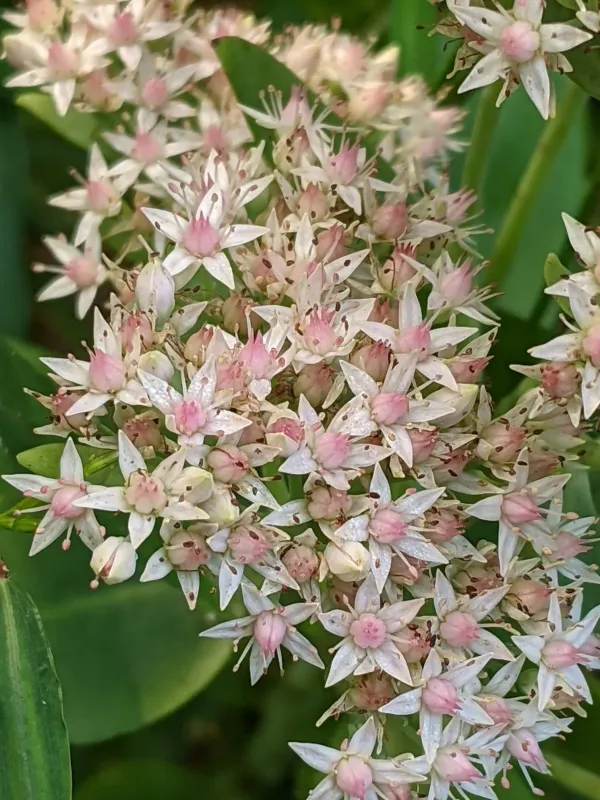
Description
Sowing dates
Propagation of Hylotelephium erythrostictum is primarily achieved through vegetative methods, such as division or stem cuttings. The best time for dividing mature clumps is early spring, right as the plant breaks its winter dormancy.
Seed propagation is less common due to the long development cycle and the requirement for stratification. Sowing seeds in containers or directly into the ground during late autumn allows the seeds to undergo a natural cooling process necessary for germination.
Cuttings can be taken throughout the summer using healthy, non-flowering stems. These root easily in a well-draining, sandy substrate, provided they are kept in a bright, sheltered environment and watered sparingly.
When planting divided specimens, a spacing of 30 to 40 centimeters is recommended. This provides sufficient room for the plant's robust root system to expand and ensures good airflow around the foliage to prevent dampness-related issues.
Young plants established from divisions require consistent moisture during their first growing season. Once the roots are fully developed, the plants become significantly more independent and tolerant of varying environmental conditions.
Growing requirements
As a member of the Crassulaceae family, Hylotelephium erythrostictum is a hardy succulent. It demands a sunny location; insufficient light causes the stems to weaken, become leggy, and lose their natural aesthetic appeal.
The plant is not overly demanding regarding soil quality, but it thrives in well-drained, porous media. Heavy, water-logged soils are detrimental to its succulent roots and must be improved with drainage materials like sand or gravel.
This species is highly cold-hardy, surviving freezing temperatures in the landscape without special protection. The above-ground foliage dies back in winter, while the fleshy roots remain dormant underground, ready to sprout when temperatures rise.
Thanks to its ability to store water in its leaves, the plant is remarkably drought-tolerant. Supplemental watering is only required during prolonged dry spells, making it an excellent choice for low-maintenance gardening.
Fertilization should be kept to a minimum. Over-application of nitrogen encourages rapid, succulent growth that is prone to lodging and may reduce the plant’s overall resilience against pests and fungal pathogens.
Yield
The primary use of Hylotelephium erythrostictum is in ornamental landscaping. It is highly valued for its season-long interest, structural form, and reliability in perennial borders, rock gardens, and urban green spaces.
The plant serves as a vital late-season nectar source for pollinators, including bees and butterflies. By supporting these insects, it indirectly contributes to the productivity of neighboring entomophilous crops in the garden ecosystem.
In traditional medicine, parts of the plant are utilized for their soothing and regenerative properties. Its succulent leaves are sometimes processed into topical applications for minor skin irritations and wound healing.
Nurseries and plant producers favor this species for its ease of propagation and low maintenance requirements. It is an economically viable crop for retail, as it survives transportation well and adapts quickly to new garden environments.
The species demonstrates excellent tolerance for urban pollutants, including dust and heavy traffic exhaust. This makes it an ideal candidate for city planting schemes where other ornamental species might struggle.
Main diseases and pests
Common pests include aphids and mealybugs, which feed on the sap of the succulent leaves. An infestation can lead to stunted growth, leaf deformation, and, if left unchecked, significant weakening of the plant's structure.
Improper soil drainage is the leading cause of root rot, a serious fungal condition. Once established, this rot can destroy a clump rapidly, especially if the soil stays saturated for an extended period.
Powdery mildew is a frequent issue in areas with high humidity and poor air circulation. It appears as a white, dusty film on the leaves, which hinders photosynthesis and severely damages the visual quality of the plant.
Effective management involves maintaining proper spacing to ensure airflow and practicing good garden hygiene by removing dead plant debris. If necessary, systemic fungicides can be applied to treat persistent infections.
Preventative measures are the most effective way to control pests. This includes regular monitoring and avoiding overhead irrigation, which can create the micro-climates that favor fungal growth on the foliage.
Harvesting
If harvesting for medicinal or research purposes, the best time is during the peak of the blooming season when the concentration of bioactive compounds in the stems and leaves is highest.
Drying should take place in a well-ventilated, shaded area. Direct sunlight must be avoided, as it can accelerate the degradation of the delicate plant tissues before they are properly dehydrated for storage.
For ornamental maintenance, remove spent stems after the first frost. Cutting the stems down to near ground level prepares the plant for a tidy winter dormancy and encourages healthier, more vigorous growth in the spring.
When collecting cuttings for propagation, allow the cut surface of the stem to callous over for a few hours in the shade before placing it into the rooting medium. This simple step significantly reduces the risk of rotting.
Regular removal of faded flower heads throughout the season can extend the tidy appearance of the garden. It also redirects the plant's energy toward root development and foliage health rather than seed production.