
Selenicereus pteranthus
Selenicereus pteranthus
Description
Growing requirements
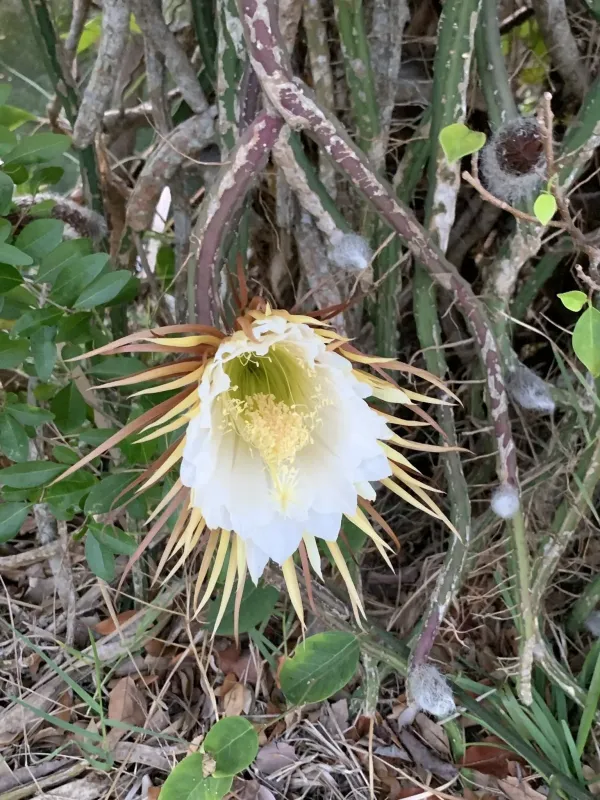
Selenicereus pteranthus, belonging to the Cactaceae family, is a distinct epiphytic cactus known for its spectacular nocturnal flowers. Originating from the tropical regions of Mexico and the Caribbean, this species exhibits a climbing growth habit, often utilizing trees as structural support in its natural habitat.
Cultivation of this species requires a well-draining, nutrient-rich potting medium, typically consisting of peat, leaf mold, and perlite or pumice. Ensuring adequate drainage is paramount, as the root system is highly susceptible to rot if left in waterlogged conditions for extended periods.
The plant thrives in high humidity and warm temperatures, mirroring its native tropical environment. Ideally, temperatures should remain between 22 and 30 degrees Celsius during the growing season. In cooler climates, Selenicereus pteranthus must be grown in greenhouses to avoid the lethal effects of frost.
Light requirements are centered on bright, indirect exposure, which prevents foliage scorching while promoting robust vegetative development. Too much shade will result in elongated, weak stems that are less capable of supporting the large flowers typical of this fascinating plant genus.
Agrotechnical management involves careful water regulation throughout the year. During the active growth phase, the substrate should remain slightly moist, whereas during the winter dormancy period, watering must be significantly reduced to allow the plant to harden and prepare for its blooming cycle.
Main diseases and pests
The primary pathological threats to Selenicereus pteranthus include fungal infections such as stem rot and root rot, usually exacerbated by poor air circulation and excessive substrate moisture. Preventive measures focus on maintaining a dry soil surface and ensuring adequate ventilation in the growing area.
Insects such as mealybugs, spider mites, and aphids are common pests that target the soft tissues of the stems. If infestations occur, horticultural oils or specialized systemic insecticides are recommended to manage the pest population without damaging the succulent stems of the cactus.