
Selenicereus purpusii
Selenicereus purpusii
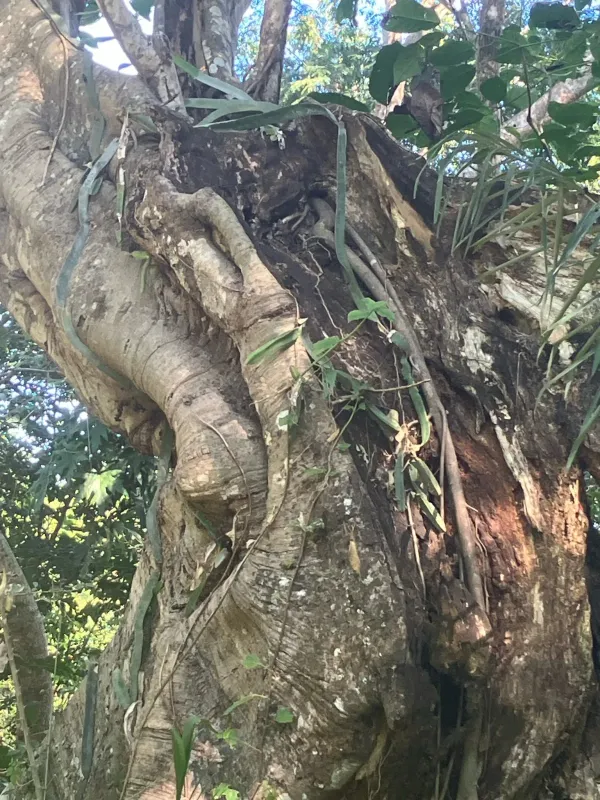
Description
Growing requirements
Selenicereus purpusii is an epiphytic cactus belonging to the Cactaceae family, known for its rapid growth and vine-like stems. Native to Mexico, it naturally thrives by climbing trees and rocks in tropical forest habitats.
The cultivation of this species requires a climate that mimics its tropical origins, characterized by warmth and consistently high humidity. It is best suited for greenhouse conditions where environmental factors can be strictly controlled for optimal growth.
The soil must be highly porous and well-draining, similar to substrates used for other epiphytic plants. A mix of organic matter, peat, and coarse perlite or pumice is recommended to ensure roots have sufficient aeration and drainage.
While the plant thrives in bright light, direct afternoon sun can cause severe tissue damage. Using shade cloth or indirect light placement is essential to prevent sunburn on the stems and ensure healthy, green, and vibrant growth.
During the growing season, temperatures between 22°C and 28°C are ideal. In winter, the plant enters a period of dormancy, requiring cooler temperatures (15°C to 18°C) and reduced watering to promote overall vitality and future flowering potential.
Main diseases and pests
The most common pests affecting Selenicereus purpusii are spider mites and mealybugs. These pests attack the succulent stems, causing deformation and leaving the plant vulnerable to secondary bacterial or fungal infections.
Root rot, triggered by overwatering and poor drainage, remains the primary threat to the longevity of this cactus. When the substrate stays saturated for too long, the root system begins to decay, often resulting in sudden plant decline.
Management of pest outbreaks involves timely application of appropriate insecticides or organic treatments such as neem oil. Early detection through regular inspections of the stems and aerial roots is critical for control.
Preventative care for disease management includes maintaining proper air circulation in the growing space. Reducing stagnant air helps minimize the risk of mold and fungal pathogen colonization on the plant surface.
Feeding the plant with a balanced, low-nitrogen fertilizer during the active growth phase strengthens the cell walls. This nutritional support makes the cactus more resilient to environmental stressors and pest attacks throughout the year.