
Polaskia chende
Polaskia chende
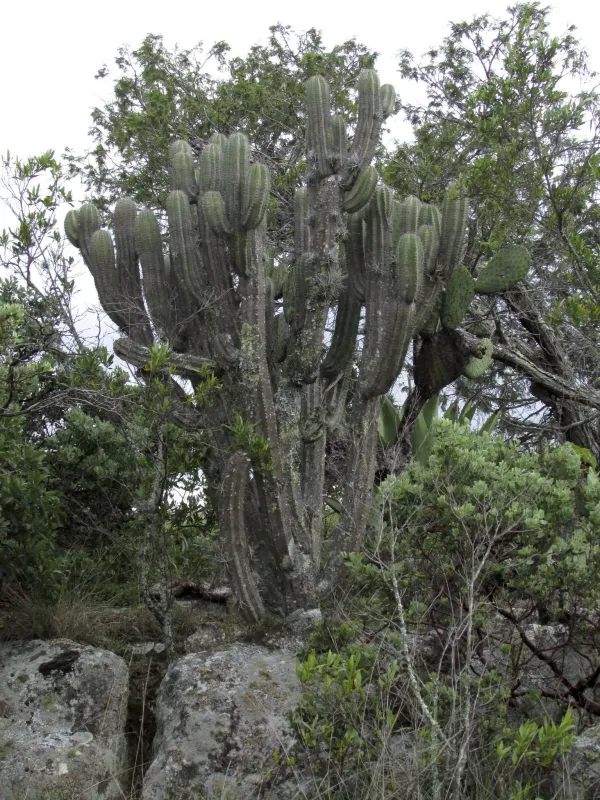
Description
Sowing dates
Propagation of Polaskia chende is most commonly achieved through seeds in controlled greenhouse environments. The optimal time for sowing is during the spring when temperatures remain consistently between 22 and 25 degrees Celsius.
Seeds are sown in a light, well-draining substrate consisting of a mixture of sand, perlite, and a small amount of peat. The substrate surface is lightly moistened after sowing and covered with glass or film to maintain high humidity levels during the first weeks of growth.
Germination typically occurs within 10 to 20 days, provided there is bright but diffused lighting. Once the first signs of real spines appear, the cover is gradually removed to acclimate the young seedlings to their surroundings.
Vegetative propagation via cuttings is also practiced on a commercial scale to maintain the desirable traits of specific plants. Cuttings are harvested with a sharp tool and dried for several days until a callus forms on the wound before planting in the soil.
It is crucial to avoid overwatering during the rooting phase, as excessive moisture can quickly lead to tissue rot. Successful rooting depends on maintaining moderate warmth and consistent light levels.
Growing requirements
Polaskia chende is an arborescent cactus belonging to the Cactaceae family, native to the central regions of Mexico. This sun-loving plant requires maximum exposure to direct sunlight for healthy growth and fruit production.
Successful cultivation requires well-draining, rocky, or sandy soils with a neutral to slightly alkaline pH. The plant is highly sensitive to waterlogging in the root zone, making the installation of an effective drainage system mandatory upon planting.
This species is thermophilic; optimal temperatures for active vegetation range from 20 to 35 degrees Celsius. During winter, the plant enters a dormant phase and can withstand brief temperature drops to slightly above freezing, though frost is fatal for young specimens.
Watering requirements are moderate: the soil must dry out completely between waterings to prevent fungal infections. During the intense summer growth period, watering can be slightly increased, but it should be reduced gradually as autumn approaches.
Agronomic care includes regular fertilization using specialized cactus fertilizers with low nitrogen content. An excess of nitrogen can cause soft tissue growth and increase the plant's susceptibility to pest infestations.
Yield
The primary agricultural value of Polaskia chende lies in its fruit, known in Mexico as "chende." These fruits are prized for their pleasant, sweet taste and are widely consumed both fresh and in processed forms.
Mature plants in plantation conditions are capable of producing significant yields, which ripen primarily during the summer and autumn months. Consistent yields depend directly on proper care and providing the plants with sufficient sunlight.
Fruits are harvested as they reach full maturity when the skin develops its characteristic deep color. Timely harvesting is essential to prevent fruit drop, as ripe fruits become quite fragile.
Yields per individual plant vary based on seasonal climate conditions, but with proper agronomic management, production remains high for many years. The plant is long-lived and can bear fruit for decades.
Processing the fruit includes the production of jams, compotes, and dried desserts, making this crop a promising prospect for local agricultural enterprises in arid regions.
Main diseases and pests
The most dangerous pests attacking Polaskia chende include mealybugs and spider mites. These insects feed on plant sap, leading to a weakened immune system and lower overall cactus productivity.
Fungal diseases, such as root and stem rot, occur due to poor agronomic practices, primarily excessive soil moisture. Affected areas can spread rapidly, requiring the immediate removal of rotten fragments and proper disinfection.
To protect plantations, it is recommended to perform periodic inspections and use biological control methods. In the case of severe infestations, specialized insecticides can be used, provided they do not negatively impact fruit quality.
Special attention should be paid to root health during periods of high humidity, as standing water is the primary trigger for pathogenic development. Proper plantation ventilation and adequate spacing between rows help minimize these risks.
Strict quarantine measures when introducing new seedlings help prevent the spread of dangerous viral and bacterial infections, which are often difficult to treat. Healthy planting material is the foundation of longevity and high yields.
Harvesting
Harvesting Polaskia chende fruit is performed manually using tools designed to prevent damage to the fruit's spiny exterior and the harvester's hands. Great care must be taken to maintain the market quality of the product.
Harvesting is typically done in the early morning hours before temperatures reach their peak, which helps maintain the freshness of the fruit post-harvest. Fruit that becomes overheated by the sun spoils more quickly during transport.
The harvest is sorted by size and maturity for market distribution. The fruit has a moderate shelf life, so it is recommended to process or sell it within the first few days after harvesting.
During transport, the fruit requires gentle handling, as the soft pulp can easily bruise under mechanical stress. Using specialized trays or containers helps minimize losses during shipping.
The harvest process is labor-intensive and requires skilled techniques, yet the high gastronomic value of the fruit makes it economically viable in specialized cactus farms.