
Polaskia chichipe
Polaskia chichipe
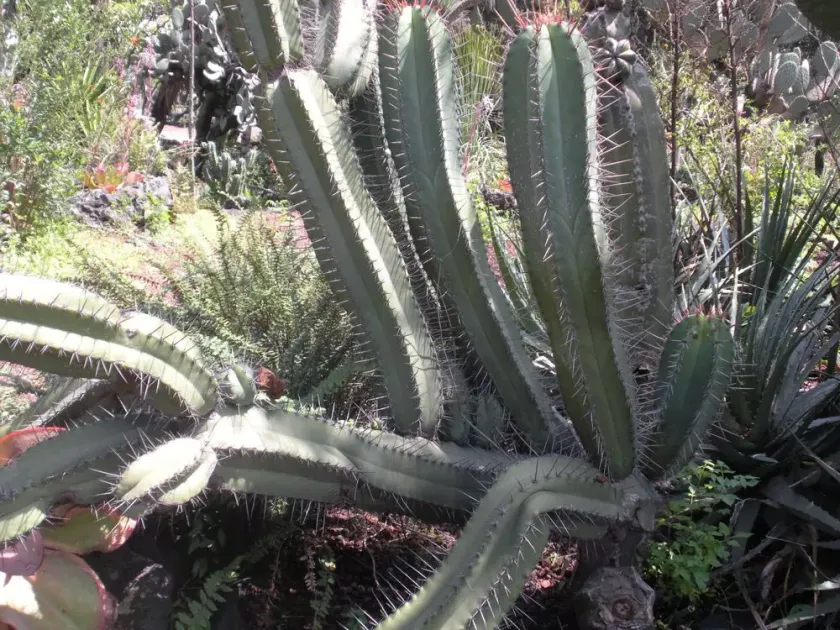
Description
Sowing dates
The sowing of Polaskia chichipe seeds takes place in the spring, when air temperatures are consistently above 20-25 degrees Celsius. A lightweight, sandy substrate with excellent drainage is used for germination to ensure oxygen reaches the seeds.
Seeds are placed shallowly, nearly on the surface, and covered with glass or film to maintain high humidity during the first weeks of growth. Avoiding waterlogging is critical to prevent the rotting of young seedlings.
Once the first sprouts appear, the cover is gradually removed to acclimate the young plants to room conditions. Pricking out is performed a few months later once the seedlings are strong enough and have developed their first spines.
Propagation is also possible through cuttings, which helps preserve the parent plant's characteristics. Cuttings should be dried for several days before planting to allow a callus to form on the cut site.
Polaskia chichipe is a slow-growing species; therefore, repotting of mature specimens is rarely done to avoid damaging the delicate root system.
Growing requirements
This cactus belongs to the Cactaceae family and is native to Mexico, growing in arid regions. The plant is extremely demanding regarding solar intensity and requires maximum light throughout the year.
The soil for cultivation should be as close to natural conditions as possible: loose, breathable, and with low organic content. Specialized succulent mixes with added perlite or coarse sand are ideal.
Temperature regimes should be warm during the growing season, while in winter, the plant requires a dry, cool period. Polaskia chichipe does not tolerate water stagnation, which requires strict control over irrigation.
When grown in greenhouses or open soil, it is critical to provide excellent ventilation to prevent the development of fungal infections in high-humidity conditions.
The plant adapts well to rocky soil conditions, making it promising for decorative landscaping in arid climate regions.
Yield
In its natural habitat, the fruits of Polaskia chichipe, known as chichipe, have high nutritional value for local populations. Yield depends on the plant's age and the specific climatic conditions of the season.
The fruits are small, spherical berries with a pleasant sweet taste. They are actively harvested and used in cooking, often consumed fresh or used to prepare desserts.
Economic use also includes extracting seeds and succulent pulp for local food production. The plant plays an important role in maintaining biodiversity in local ecosystems.
Cactus cultivation for commercial purposes is limited, but the potential for use as a fruit source in arid zones remains a subject of agronomic interest.
Maximum productivity is observed in mature specimens that have formed a powerful tree-like crown capable of supporting the weight of ripening fruit.
Main diseases and pests
The main pests for Polaskia chichipe are scale insects and mealybugs, which can attack the plant's epidermis. Regular inspections allow for early detection.
Root rot poses the greatest threat, developing from excessive watering combined with poor substrate aeration. Prevention consists of strictly adhering to the drying regime of the soil ball.
Fungal spotting can manifest in high humidity, requiring the use of fungicides and improved ventilation in rooms or greenhouses.
Spider mites can cause serious damage to young shoots, so acaricidal preparations must be used at the first signs of infestation.
- Ensure tool cleanliness during pruning.
- Monitor for water stagnation in trays.
- Use broad-spectrum insecticides if pests are detected.
Harvesting
Harvesting takes place during the phase of full maturity, when the skin takes on its characteristic color and becomes soft to the touch. It is important to harvest in dry weather to avoid damaging the product.
Since the fruits are located on thorny branches, harvesting requires the use of specialized protective gloves. Manual harvesting is the only possible method in wild thickets.
After harvesting, fruits should be sold or processed as soon as possible, as they have a short shelf life in fresh form due to their high moisture content.
Initial processing includes cleaning the fruits of remaining spines and rinsing them in running water to remove dust and debris.
Properly organized harvesting allows for maintaining the marketability of the fruits and ensuring their condition during transport to local markets.