
Loxanthocereus pachycladus
Loxanthocereus pachycladus
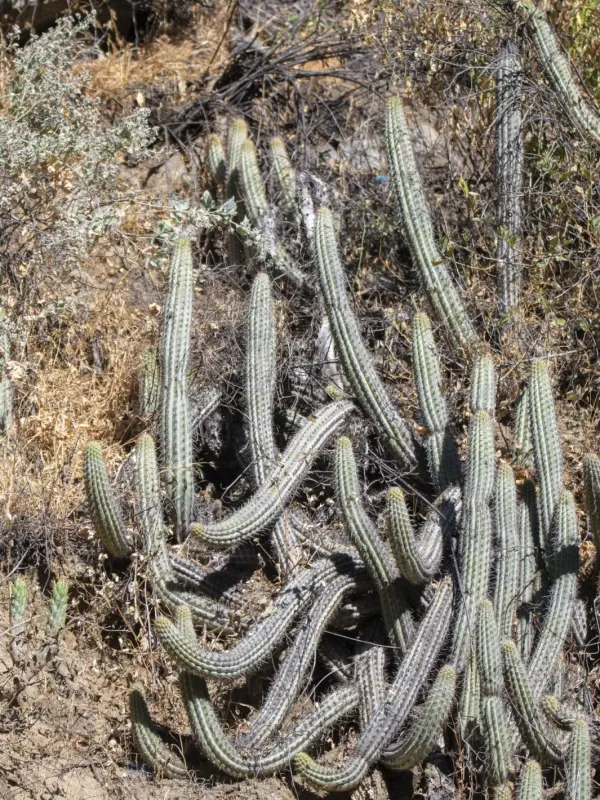
Description
Growing requirements
Loxanthocereus pachycladus is a distinct species belonging to the Cactaceae family. Originating from the arid, mountainous regions of Peru, this plant has evolved to thrive in rocky terrain with minimal soil and high exposure to ultraviolet light.
Botanically, this species is defined by its robust, multi-branched succulent stems. Its epidermis is typically thick and covered with spines that aid in shading the plant and protecting it from herbivores in its harsh native habitat, reflecting its exceptional adaptive capacity.
Agricultural requirements focus on high light intensity. To maintain its structural integrity and avoid etiolation, it must be placed in a spot with maximum solar exposure. Climate control is vital, requiring warm summer temperatures and a distinct, dry cool period during the winter dormancy stage.
Soil management is critical for the success of Loxanthocereus pachycladus. A well-draining, gritty mix is essential, often composed of volcanic rock, coarse sand, and a small portion of mineral-based loam. The substrate must never remain waterlogged, as it is highly susceptible to root damage.
General maintenance involves infrequent, deep watering during the growth cycle, allowing the soil to dry out completely between applications. Fertilizer should be applied sparingly, using a low-nitrogen, high-potassium formula to strengthen the plant's cell walls and spine development.
Main diseases and pests
The primary threats to Loxanthocereus pachycladus are fungal infections and root rot, usually caused by improper irrigation techniques or poor soil aeration. These conditions quickly lead to the breakdown of tissue and systemic collapse of the plant.
Common insect pests include mealybugs and scale insects, which often hide in the crevices between the cactus ribs. These pests can cause significant damage by piercing the skin and feeding on the succulent sap, often leaving the plant prone to secondary viral or bacterial attacks.
Spider mites are another common pest, especially in environments with poor air circulation and low humidity. Their presence is marked by fine webbing and discolored patches on the skin, which can permanently scar the cactus.
Effective management includes regular monitoring and preventive care. Keeping the growing area clean and ensuring good airflow significantly reduces the incidence of pest infestations and fungal spores settling on the surface of the plant.
In cases of severe infestation or decay, it is often necessary to prune the affected area and allow the tissue to callus. Using systemic insecticides or fungicides can also be beneficial when integrated into a broader strategy of improving environmental conditions.