
Loxanthocereus hystrix
Loxanthocereus hystrix
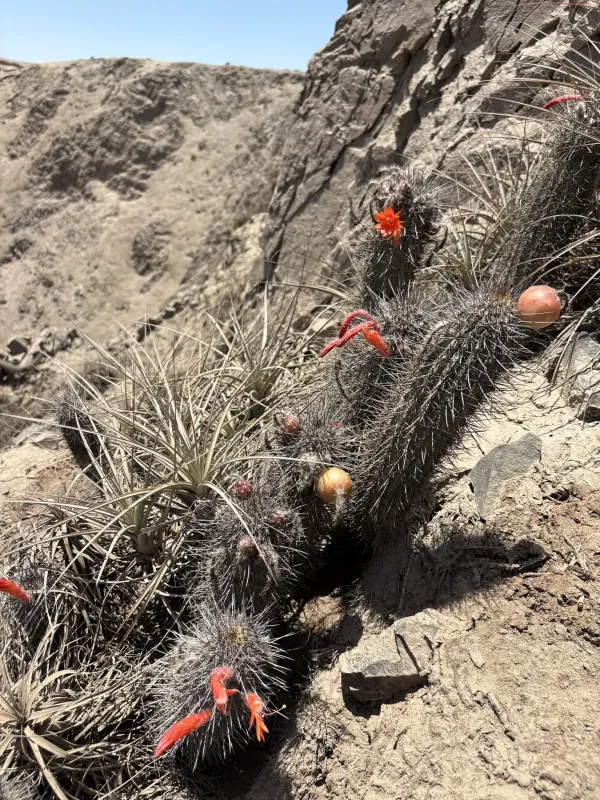
Description
Growing requirements
Loxanthocereus hystrix is a perennial succulent belonging to the Cactaceae family. This species is native to the rugged terrains of Peru, where it thrives in rocky, well-drained soils under intense sunlight.
The plant features a distinct columnar to shrubby growth habit with well-defined ribs. The surface is armed with robust spines, which are an evolutionary adaptation to deter herbivores and reduce water loss through transpiration in its arid native habitat.
Successful cultivation requires high-intensity light levels throughout the growing season to maintain the plant's structural integrity and avoid etiolation. Full sun is recommended for optimal development in controlled environments.
The substrate must be highly porous and mineral-based. A mixture containing coarse sand, gravel, and perlite is essential to ensure rapid water drainage, preventing moisture from accumulating around the root neck.
Proper agrotechnical management includes a distinct winter dormancy period where temperatures are kept cool, between 10 and 12 degrees Celsius, with minimal to zero irrigation to stimulate future blooming.
Main diseases and pests
The most prevalent pests affecting this crop include root mealybugs, which are notoriously difficult to detect and can severely compromise the plant's health by damaging the root system.
Spider mites represent another common threat, especially in environments with low humidity and poor ventilation, causing surface discoloration on the succulent stems.
The primary threat to the longevity of the plant is physiological root rot caused by stagnant water in the potting medium or excessive humidity during the dormancy phase.
Standard protection protocols involve the use of systemic insecticides to manage pest populations and stringent irrigation management to discourage fungal development.
Preventative measures should emphasize the use of sterile substrates and ensuring proper airflow around the plants to mitigate the risk of pathogen transmission within the greenhouse.