
Loxanthocereus acanthurus
Loxanthocereus acanthurus
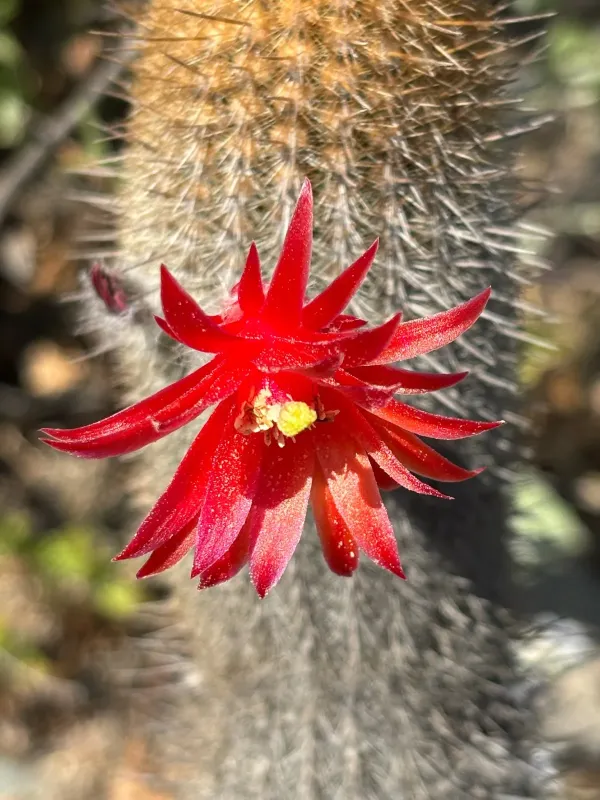
Description
Growing requirements
Loxanthocereus acanthurus is a notable species within the Cactaceae family. Native to the rugged landscapes of Peru, this succulent has evolved to thrive in environments with significant diurnal temperature fluctuations and sparse precipitation patterns.
In a controlled cultivation setting, this species demands high light exposure to maintain its architectural integrity. Exposure to direct sunlight is crucial for the development of its signature spines and to ensure robust growth during the active season.
The substrate must prioritize drainage above all else. A mix containing coarse sand, volcanic pumice, and minimal loam provides the aeration necessary for the root system to breathe and prevents the accumulation of stagnant water.
Temperature management should mimic its native highland climate. While the plant can tolerate heat, it requires a distinct cooling period during the winter months, which is essential to trigger the plant's metabolic cycles and health.
Watering practices should be conservative. During the growing season, deep watering should only occur when the substrate has completely dried out. During the dormant phase, the plant should remain almost entirely dry to prevent physiological stress.
Main diseases and pests
Root rot, caused by fungal pathogens in waterlogged soil, remains the most significant threat to the longevity of Loxanthocereus acanthurus. Improper drainage or excessive watering frequency often leads to rapid decline.
Mealybugs are the most common pest observed on this cactus. They tend to congregate in the axils of the spines, where they can feed on the plant's sap unnoticed until the infestation becomes significant enough to require systemic treatment.
Spider mites are also a risk, particularly in environments with very low ambient humidity. These pests weaken the epidermal layer, making the plant more susceptible to opportunistic secondary infections by various bacterial or fungal agents.
Integrated pest management should include regular inspection of the crown and the base of the stem. If pests are detected, prompt isolation and treatment with specialized horticultural soaps or insecticides are strongly recommended.
Maintaining high standards of hygiene, including sterilization of potting tools and the use of clean containers, significantly reduces the likelihood of pest outbreaks and disease transmission throughout the cactus collection.