
Lophophora fricii
Lophophora fricii
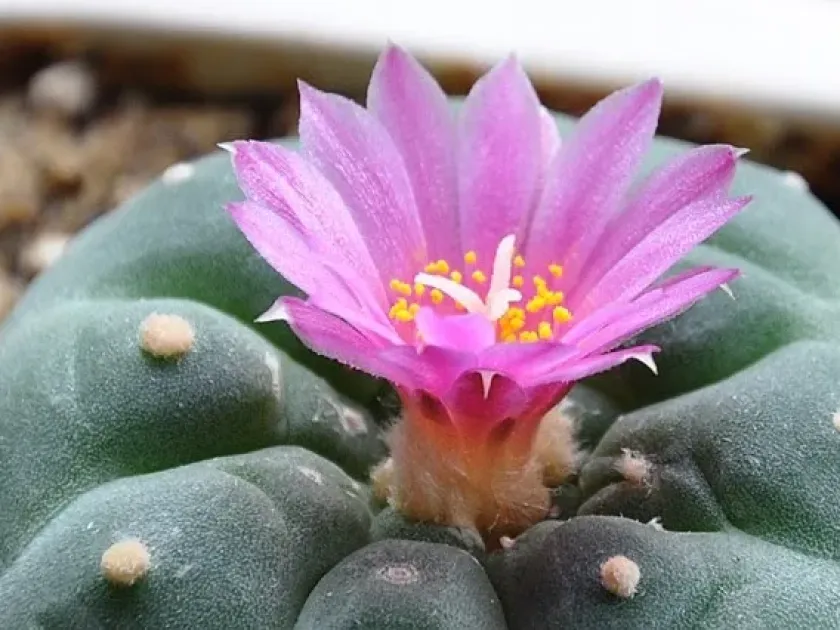
Description
Sowing dates
Propagation of Lophophora fricii is primarily achieved through seeds. The most favorable period for sowing is during the spring months when increasing sunlight triggers natural germination cycles.
A sterilized substrate is essential, consisting of a mix of coarse sand, perlite, and fine gravel. Proper drainage ensures that young seedlings do not succumb to waterlogged conditions.
Germination requires a temperature range between 22 and 26 degrees Celsius. Consistency is key, as fluctuating temperatures can weaken the delicate seedlings during their initial stage.
The growth of these cacti is remarkably slow. Consequently, the first repotting or transplanting should only be considered when the plant is sufficiently developed, usually after a year.
Utilizing bottom heat in the germination containers can significantly increase success rates and promote stronger root development during the early life stages.
Growing requirements
Lophophora fricii is a member of the Cactaceae family, native to the arid environments of Coahuila, Mexico. It is specifically adapted to calcareous and rocky soil compositions.
The primary cultivation requirement is an exceptionally well-draining mineral substrate. Any organic content should be kept to a minimum to ensure rapid drying of the root zone.
The plant thrives under intense light conditions but requires partial shade during peak summer afternoons to prevent sunburn and epidermal damage to the stem.
During the winter dormancy period, the plant demands cool temperatures (5–10 degrees Celsius) and almost total cessation of watering to mimic natural seasonal cycles.
Watering should be strictly regulated. The substrate must be completely dry before the next irrigation cycle, as excessive moisture is the primary cause of sudden death in this species.
Main diseases and pests
Root rot is the most common physiological threat to Lophophora fricii. It is usually caused by excessive watering or poor air circulation within the growing environment.
Spider mites are prevalent pests that damage the epidermis of the plant. If left untreated, they can cause extensive scarring and stunted growth over several seasons.
Mealybugs are frequently found hiding in the grooves of the plant's ribs. Their presence is often indicated by a white, waxy substance and requires immediate insecticide application.
Root mealybugs pose a hidden threat, living beneath the soil surface. They consume root structures, which often results in the plant failing to thrive without obvious surface symptoms.
Effective management includes regular inspection, maintaining optimal ventilation, and the periodic use of appropriate acaricides and systemic insecticides to protect the plant.