
Lophophora diffusa
Lophophora diffusa
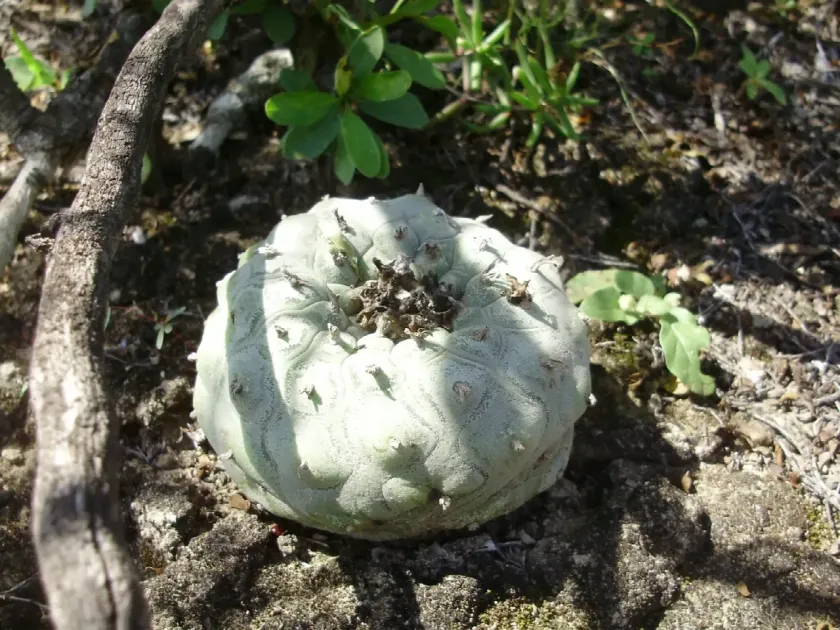
Description
Sowing dates
The sowing of Lophophora diffusa seeds is best performed during the spring season when rising temperatures and longer days support optimal germination. March to May is considered the ideal window for starting a new crop.
Use well-draining containers filled with a sterilized mineral-based substrate containing mostly coarse sand and perlite. The seeds should be distributed evenly across the surface and gently pressed into the medium without being covered by soil.
Maintain high humidity by covering the container with transparent film or glass. This creates a miniature greenhouse environment that is crucial for the germination of these slow-growing desert species during the first few weeks.
Keep the substrate consistently moist but not waterlogged, maintaining a temperature range of 25–28 degrees Celsius. Once the seedlings emerge, gradually increase ventilation to allow the young plants to adjust to the ambient air.
Transplanting (pricking out) should only be done once the seedlings develop into robust, rounded bodies, which can take up to a year. Patience is vital, as early disturbance of the delicate roots can stunt their growth significantly.
Growing requirements
Lophophora diffusa belongs to the Cactaceae family and is native to the Querétaro region of Mexico. It is a slow-growing succulent that thrives in rocky, limestone-rich soils under harsh environmental conditions.
The ideal growing medium must be highly inorganic, consisting of gravel, pumice, and sand. Avoid rich organic soils, as they retain too much water, which inevitably leads to the rotting of the taproot system.
These cacti require intense sunlight to maintain their characteristic flattened shape and healthy epidermis. If grown indoors, they must be placed in the brightest window available, preferably facing south, to prevent etiolation.
Watering must follow a strict "soak and dry" cycle. During the active growing season, water only when the substrate is completely bone-dry. During winter dormancy, cease all watering to mimic the plant's natural arid habitat.
Temperature control is essential for long-term health. The plants prefer 22–30 degrees Celsius in summer and require a cooler, dry rest period in winter, ideally between 10 and 12 degrees, to ensure proper seasonal growth.
Main diseases and pests
The most common threat to Lophophora diffusa is root rot, which typically stems from poor drainage or overwatering. Once rot sets in, it spreads rapidly throughout the plant's body, making recovery extremely difficult.
Mealybugs are the most persistent pests for this species. These insects hide in the deep folds between the ribs, where they feed on sap. Regular inspections and the use of systemic insecticides are necessary to manage infestations.
Red spider mites may attack the cactus if the environment is too dry and stagnant. Their feeding causes discolored, scarred tissue on the surface of the plant, which detracts from its aesthetic appeal and overall vitality.
Preventive care includes ensuring excellent air circulation around the plants and using only clean, sterile substrates. Removing dust from the epidermis also helps in spotting early signs of pest activity.
In cases of severe infection, surgical removal of damaged tissue followed by treatment with antifungal agents is required. Always allow the cut surfaces to callous over completely before placing the plant back into the soil.