
Lophophora williamsii
Lophophora williamsii
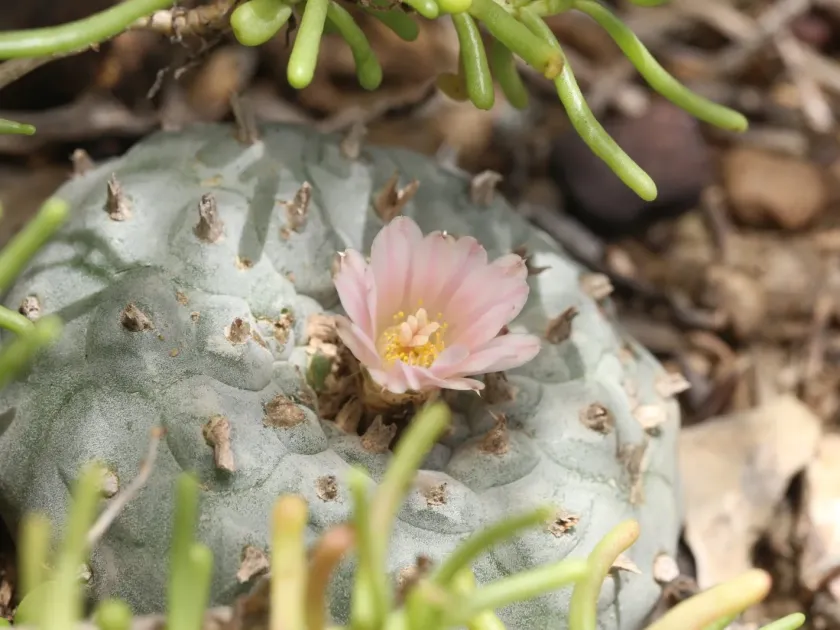
Description
Sowing dates
Propagation of Lophophora williamsii is typically done through seeds, requiring a precise environment to ensure high germination rates during the spring season.
The seeds should be sown on a fine-textured, mineral-rich substrate such as a mixture of washed sand and perlite to maintain sterility and proper aeration.
High levels of humidity are crucial during the first stages of development, which is achieved by keeping the sowing containers covered with clear plastic film.
Maintaining a constant temperature between 25°C and 30°C is vital for the biological process of germination to occur successfully within several weeks.
Once seedlings emerge, they must be acclimatized to lower humidity levels very slowly to prevent dehydration and ensure their survival into the juvenile stage.
Growing requirements
This species belongs to the Cactaceae family and is native to the arid regions of North America, where it thrives in rocky, well-draining limestone soils.
Cultivation requires plenty of bright, indirect sunlight, as excessive heat combined with direct radiation can cause the soft flesh of the cactus to burn.
The irrigation schedule must be strictly managed, allowing the soil to dry out completely between waterings to mimic the natural desert rainfall patterns.
During the winter months, the plant undergoes a dormant period, during which the temperature should be kept low and water applications strictly minimized.
Proper airflow is an essential requirement for preventing fungal build-up, especially in closed environments like greenhouses or indoor growing spaces.
Main diseases and pests
Root rot is the primary threat to the longevity of the plant, often resulting from excessive moisture and inadequate drainage within the potting mix.
Pests like mealybugs can infest the plant, particularly at the root level or in the crevices between the tubercles, where they can be difficult to eliminate.
Spider mites are another common concern, especially when air humidity remains consistently low for an extended period of time throughout the year.
Prevention relies on good sanitation practices, such as using sterilized potting equipment and monitoring for any signs of discoloration or wilting.
If an infestation occurs, targeted use of horticultural soaps or systemic pesticides is recommended to manage the pest population effectively without damaging the plant.