
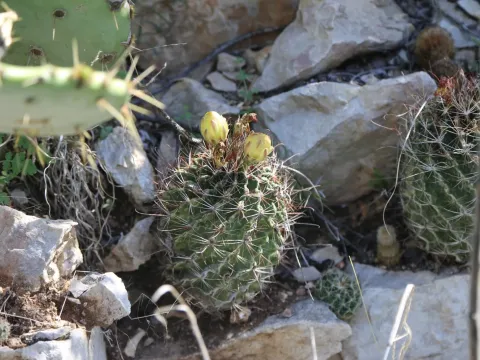
Hamatocactus setispinus
Hamatocactus setispinus
Hamatocactus setispinus is a member of the Cactaceae family, known for its distinct spines and vibrant flowering. Propagation is typically achieved through seeds, which require a warm, stable environment with temperatures between 22 and 25 degrees Celsius to germinate effectively.
What the section contains
Hamatocactus setispinus
Sowing should ideally occur in early spring to utilize the increasing light levels. Seeds should be placed on a well-draining, sterile substrate surface to ensure they remain aerobic during the critical germination phase, which usually lasts about two weeks.
A mix of coarse sand, peat, and crushed charcoal provides the optimal medium for seedlings. This composition ensures that moisture is held just enough for the young roots while allowing excess water to drain away rapidly.
Once seedlings emerge, maintaining airflow is essential to prevent dampening off. Pricking out young plants into individual pots should be done once they develop sufficient spines to handle, allowing each cactus enough space to mature without competition.
While vegetative propagation through offsets is possible, the seed-raised method remains the standard for maintaining the species' natural morphological characteristics and vitality in both amateur and botanical collections.
Native to the arid regions of Texas and Mexico, this cactus requires intense, direct sunlight to thrive. In indoor settings, a south-facing location or supplementary LED lighting is necessary to mimic the natural high-light intensity of its habitat.
Soil structure is critical for this species. It demands a highly porous, gritty medium that does not retain water for long periods. A heavy-duty drainage layer at the bottom of the pot is a non-negotiable requirement for long-term health.
Temperature management should follow the plant's seasonal cycle. During the growing season, warm daytime temperatures are preferred, while the winter months require a distinct period of dormancy with temperatures dropping to around 10-12 degrees Celsius.
Watering must be performed only when the soil is completely dry. Overwatering is the primary cause of failure with this species; therefore, a conservative approach to irrigation is recommended, especially in humid or cool conditions.
Fertilization should be limited to the active growth phase, utilizing low-nitrogen, high-potassium formulations designed specifically for succulents. This encourages healthy skin development and resilient spines rather than rapid, watery growth.
Spider mites and mealybugs are the most common pests affecting Hamatocactus setispinus. These insects thrive in dry environments and can quickly infest the crevices between the cactus ribs, weakening the plant by draining its sap.
Root rot, caused by excessive soil moisture and poor drainage, is the most lethal condition for this cactus. Symptoms include soft, mushy tissue at the base of the stem, which requires immediate surgical removal and re-rooting of the healthy parts.
Fungal spotting can occur if ventilation is inadequate, especially when the plant is kept in cramped greenhouse conditions. Ensuring constant, gentle air circulation helps minimize the risk of bacterial and fungal infections on the skin.
Pest management relies on both prevention and early detection. Periodically checking the base and the crown of the cactus allows for prompt intervention using systemic insecticides before an infestation becomes unmanageable.
Maintaining the cleanliness of the growing area is vital. Removing dead organic matter and ensuring pots are not overcrowding each other prevents the spread of pathogens and pests across the entire collection.