
Gymnocalycium stenopleurum
Gymnocalycium stenopleurum
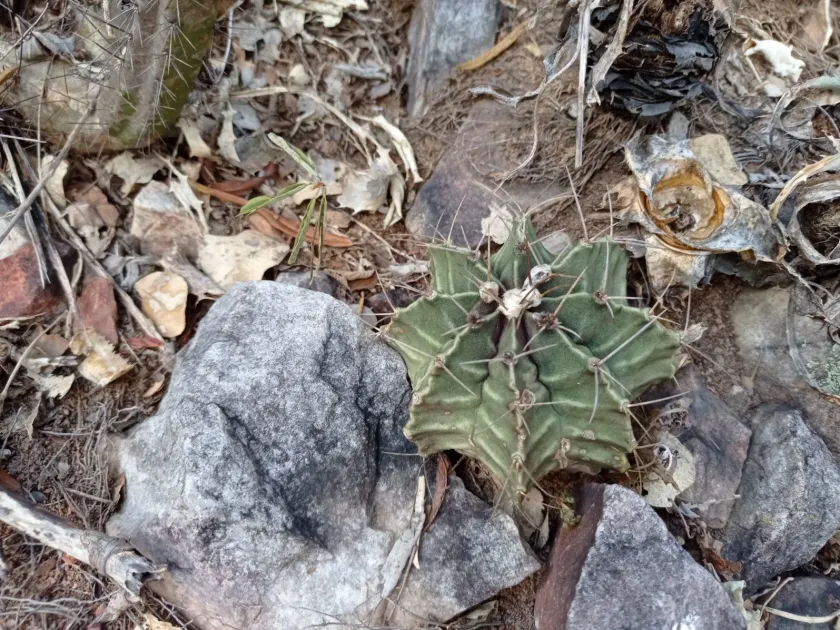
Description
Sowing dates
Sowing Gymnocalycium stenopleurum seeds is best done in the spring when daylight hours begin to increase. The optimal window is March or April, which allows seedlings to establish themselves before the winter dormancy.
Use a slightly acidic substrate supplemented with sand and fine gravel to ensure high drainage efficiency. Distribute seeds over the damp soil surface without burying them, and cover the container with glass or film to maintain constant humidity.
The temperature during germination must be stable, ideally between 22–25 degrees Celsius. It is crucial to provide diffused lighting while protecting the tender seedlings from direct sunlight.
The first transplanting of seedlings should be performed once they reach the size of a pea and begin to form their first spines. This process requires great care to avoid damaging the delicate root system.
Subsequent care for young specimens involves gradually transitioning them to the watering schedule of an adult plant, reducing the frequency of substrate moisture as the cactus matures.
Growing requirements
Gymnocalycium stenopleurum is a member of the Cactaceae family, native to the arid regions of Paraguay. In its natural habitat, it thrives in stony soils with low organic content.
The plant prefers bright but diffused light, which allows the stem to develop its characteristic gray-green color and robust spines. Intense midday sun can cause epidermal burns, so partial shading is recommended.
The soil mix should have a neutral or slightly acidic pH. An ideal composition includes turf soil, leaf mold, and coarse sand in proportions that prevent water stagnation near the roots.
The temperature optimum during the growing season is 20–28 degrees Celsius. During winter, the plant requires a dormant period in a cool environment, ideally around 10–12 degrees Celsius.
Moisture requirements are minimal; irrigation should only occur after the substrate has completely dried out. Using water with high lime content can cause soil alkalization and hinder growth.
Main diseases and pests
The primary threat to this species is root rot, which typically occurs due to overwatering during the cooler months. Once the root system is damaged, the plant quickly loses turgor and may die.
Among pests, the mealybug is the most common, hiding in the folds of the stem ribs and at the base of the spines. Its presence is easily detected by a white, cotton-like substance.
The red spider mite can damage the cactus epidermis, especially in dry indoor air conditions. Its feeding activity manifests as dry brown spots that diminish the plant's aesthetic value.
To control pests, use systemic insecticides and acaricides applied to both the stem and the root zone. Prevention relies on maintaining proper air circulation and regular inspection.
- Regular inspection of the root collar.
- Ensuring soil cleanliness during repotting.
- Application of fungicides at the first sign of fungal infection.