
Gymnocalycium uruguayense
Gymnocalycium uruguayense
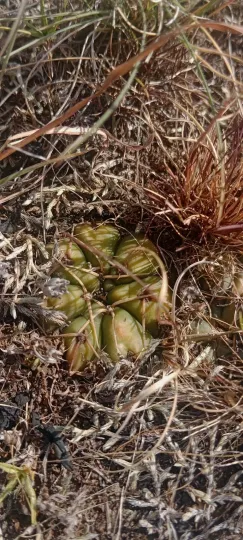
Description
Sowing dates
Gymnocalycium uruguayense belongs to the Cactaceae family, known for its distinctive globular stems and beautiful, delicate flower structures.
Propagation is typically performed via seeds, which should be sown in early spring to take advantage of the natural increase in day length and warmth.
The substrate must be highly permeable, utilizing a blend of pumice, coarse sand, and a small amount of peat to prevent root compaction.
Seeds are placed on the surface of the moist soil and covered with a thin layer of fine sand, maintaining humidity levels via a glass or plastic cover.
Optimal germination occurs at temperatures between 22°C and 25°C, ensuring that seedlings remain sheltered from direct, harsh sunlight until established.
Growing requirements
Native to the regions of Uruguay, this species thrives in well-drained, mineral-rich environments with significant variations between day and night temperatures.
It requires bright, indirect light; intense midday sun can cause the epidermis to lose its characteristic green color or develop irreversible stress marks.
Watering practices must be strictly controlled, allowing the substrate to dry out completely between irrigation cycles to prevent the risk of anaerobic root death.
During the winter dormancy period, the plant should be kept in a cool location, ideally between 10°C and 12°C, with almost no water to stimulate blooming.
Choosing the right pot is essential; shallow containers are preferred over deep ones to ensure that moisture does not accumulate at the bottom of the root zone.
Main diseases and pests
Root rot is the most frequent pathological threat, almost exclusively caused by overwatering or using a substrate that holds moisture for too long.
Spider mites represent the primary pest concern, appearing as small, fine webs in the crevices between the cactus ribs and damaging the plant's surface.
Mealybugs are also common pests that can hide within the dense crown or between the areoles, requiring manual removal or systemic pesticide treatment.
- Monitor for discoloration or soft spots on the stem.
- Ensure adequate ventilation to prevent fungal outbreaks.
- Isolate new plants to prevent cross-contamination.
By maintaining proper airflow and adhering to a strict dry-season cycle, the risk of common diseases and pest infestations can be significantly reduced.