
Harrisia pomanensis
Harrisia pomanensis
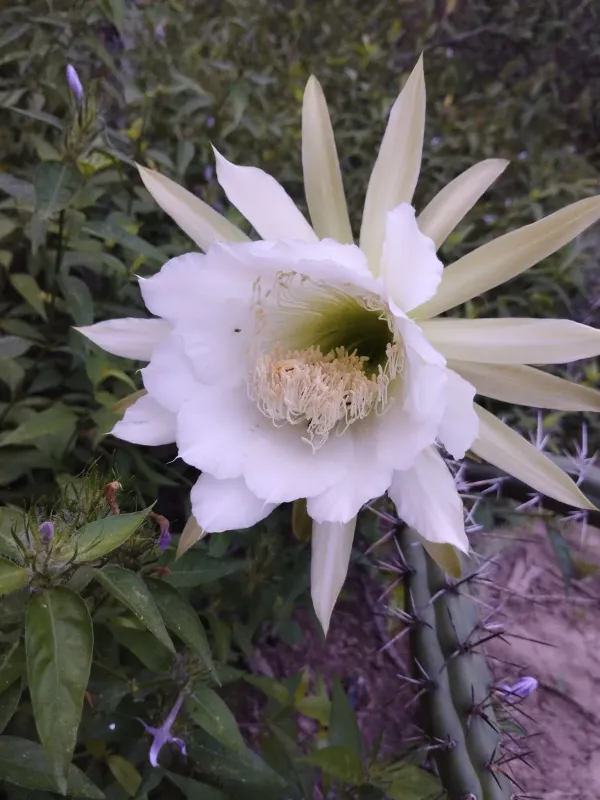
Description
Growing requirements
Harrisia pomanensis is a perennial succulent species belonging to the Cactaceae family. Originating from the arid regions of South America, specifically Argentina, Bolivia, and Paraguay, this plant is well-adapted to life in dry scrub forests and tropical woodland environments.
Botanically, this species is characterized by its shrubby, sprawling habit, with slender, ribbed stems that can grow quite long. The stems are armed with sharp spines, which serve to protect the plant from herbivores and reduce evaporation in the intense heat of its native habitat.
Cultivation of Harrisia pomanensis requires well-draining, sandy-based soils. The plant thrives in bright, direct sunlight, which is essential for maintaining the structure and vigor of its stems. In indoor or greenhouse settings, providing adequate light is the most critical factor for healthy growth.
The watering regime should be carefully managed; it requires thorough watering during the growing season followed by a period of near-complete dryness during the dormant winter months. Overwatering is the primary cause of failure, as it easily leads to root rot in the plant's delicate system.
Economically, Harrisia pomanensis is mainly valued as a decorative plant in arid landscape designs and specialized succulent collections. Additionally, the plant produces edible fruits that are gathered in its natural range, indicating potential as a niche fruit-bearing crop in appropriate climatic zones.
Main diseases and pests
Common pests affecting Harrisia pomanensis include mealybugs and spider mites, which can be particularly troublesome in protected greenhouse environments. Regular monitoring and the application of appropriate horticultural oils or systemic insecticides are recommended for control.
The most significant disease threats are fungal rot and stem infections caused by waterlogged soil and poor ventilation. Maintaining a dry, well-ventilated environment is the most effective preventative measure against these pathogens, ensuring the longevity of the plant.