
Harrisia gracilis
Harrisia gracilis
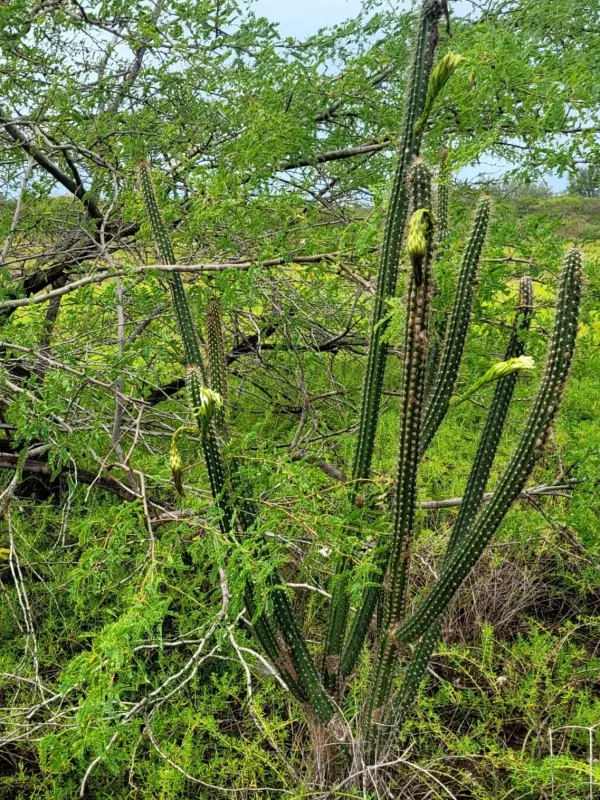
Description
Growing requirements
Harrisia gracilis is a species of cactus belonging to the family Cactaceae, native to the Caribbean region, particularly Jamaica. It is characterized by its slender, elongated, and sometimes climbing stems, which often exhibit a decorative, branched habit suitable for specialized collections.
Regarding environmental needs, this plant requires high light levels to maintain structural integrity and healthy coloration. While it thrives in bright, indirect light, acclimatization is necessary if the plant is moved from lower light conditions to direct exposure.
The soil substrate must be highly porous and well-draining, mimicking the rocky or sandy soils of its natural habitat. A standard cactus mix amended with perlite, pumice, and coarse sand is highly recommended to ensure oxygen reaches the root zone.
Climatic requirements involve maintaining warm temperatures during the growing season (20–28°C) and providing a distinct cooling-off period during winter. This dormancy phase is essential for flower induction and maintaining the plant's natural metabolic rhythm.
Watering should be conducted according to the 'soak and dry' method. During the active growth phase, the plant should be watered thoroughly, ensuring that the substrate dries out completely between waterings to prevent root asphyxiation.
Main diseases and pests
Root rot is the most critical threat to Harrisia gracilis, caused predominantly by poor drainage and excessive moisture during the dormant winter months.
Common insect pests include mealybugs, which congregate in the protected areas of the stem ribs, and spider mites that thrive in dry, stagnant air conditions indoors.
Stem necrosis can occur due to bacterial or fungal infections entering through mechanical injuries. Maintaining clean tools and careful handling is essential for long-term health.
Proper air circulation is crucial to minimize the risk of fungal proliferation. Using fans in enclosed spaces can significantly reduce the moisture buildup around the plant's surface.
If an infestation is identified, systemic insecticides are generally effective, but care should be taken to test the product on a small area of the epidermis first to avoid chemical burn.