
Harrisia eriophora
Harrisia eriophora
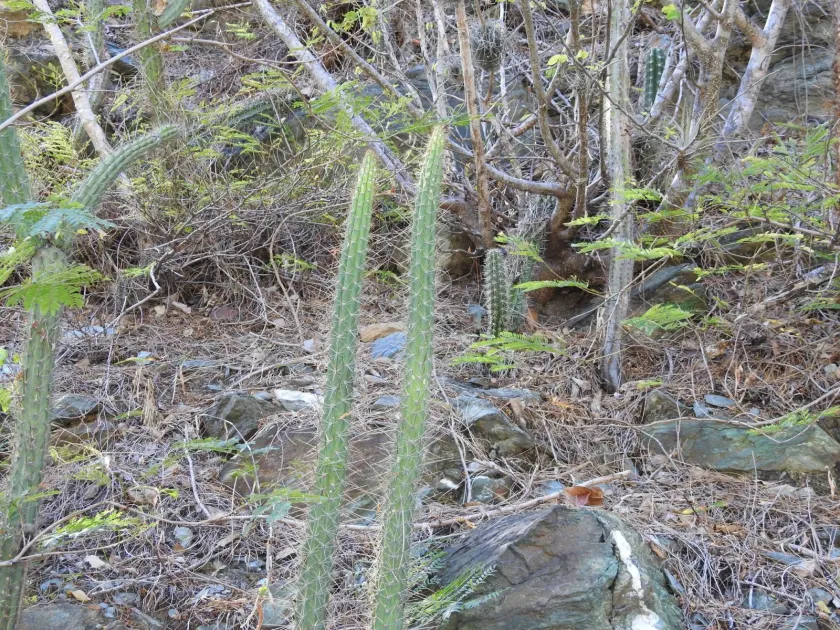
Description
Growing requirements
Harrisia eriophora, commonly known as woolly harrisia, is a distinct species within the Cactaceae family. Native to the Caribbean, particularly Cuba, this plant is characterized by its slender, columnar growth habit and large, nocturnal flowers that attract specialized pollinators.
The plant thrives in well-draining, mineral-rich soils that mimic its natural rocky or sandy habitats. Proper drainage is the single most critical factor in cultivating this species, as stagnant water is lethal to its root system, often causing rapid rot.
Regarding climate, Harrisia eriophora requires full sun exposure to maintain its structural integrity. In regions where it is grown, it needs stable temperatures ranging from 20°C to 30°C. Protection from frost and extreme cold is mandatory for survival.
Agricultural management of this cactus involves mimicking its native seasonal cycles. Water should be provided liberally during the growing season while ensuring the soil dries out completely between waterings to prevent moisture-related stress.
Propagation is typically achieved through seeds or stem cuttings. For commercial or decorative purposes, cuttings should be allowed to callous before being placed in a dry, sterile growing medium to ensure successful root initiation and establishment.
Main diseases and pests
Fungal pathogens are the primary biological threat to Harrisia eriophora. Species such as Phytophthora or Pythium can compromise the cactus health if moisture levels are not strictly managed throughout the development stages.
Mealybugs are the most common insect pests encountered in cultivation. These sap-sucking pests congregate in the crevices between the ribs and areolae, often protected by a white waxy secretion that makes manual control difficult.
Scale insects present a similar challenge, attaching themselves firmly to the stem and extracting nutrients. Heavy infestations can lead to significant weakening of the plant and open the door for secondary opportunistic infections.
Root-knot nematodes can also affect the vitality of the plant, especially when grown in non-sterile outdoor soil. Symptoms include stunted growth and the appearance of galls on the root system, significantly reducing water uptake.
- Use of systemic insecticides when necessary.
- Regular inspection of the root zone.
- Application of fungicides during high-humidity periods.