
Glandulicactus uncinatus
Glandulicactus uncinatus
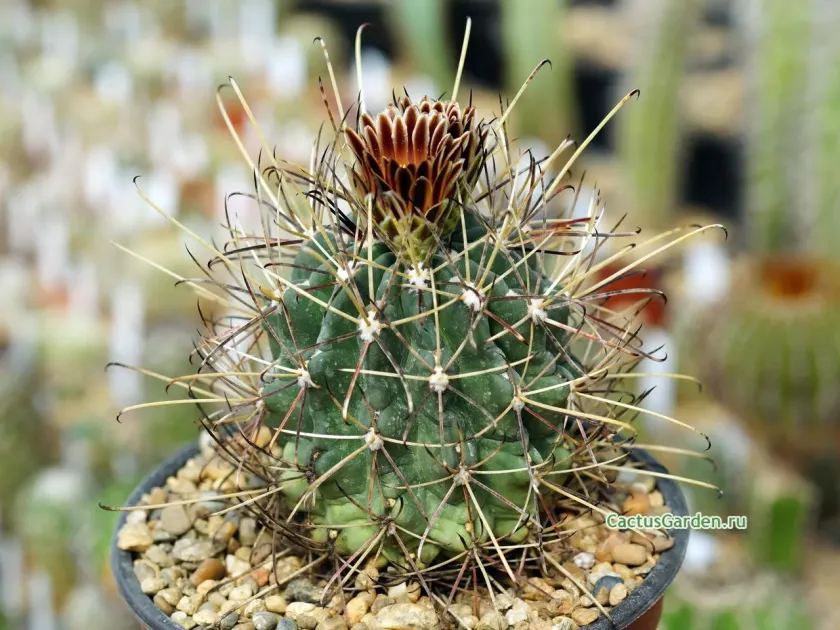
Description
Sowing dates
Propagation of Glandulicactus uncinatus is primarily conducted through seeds during the early spring months. Increasing day length provides the necessary stimulation for germination and seedling development.
A specialized well-draining substrate, typically consisting of sand, perlite, and a small portion of loam, is required for sowing. Sterilization of the mix is highly recommended to protect seedlings from pathogens.
Maintain consistent temperatures between 22-25 degrees Celsius for optimal germination results. Covering the containers helps to preserve the high humidity levels needed for initial growth.
Seedlings should be kept in a bright location but shielded from direct sunlight during the first few weeks to prevent scorching. Gradual acclimatization to harsher conditions occurs as the plantlets grow stronger.
The first transplant should be performed once the seedlings are robust enough to handle. Young cacti grow slowly, so deep containers are not initially necessary, provided the drainage is excellent.
Growing requirements
Glandulicactus uncinatus is a hardy member of the Cactaceae family, native to arid regions of Mexico and the United States. It is perfectly adapted to survive in extreme desert environments.
The species requires high levels of solar radiation throughout the growing season to maintain its characteristic compact growth habit and vibrant spine coloration.
Soil requirements focus on extreme porosity. The growing medium must allow water to pass through quickly, as root suffocation in waterlogged soil is a common cause of failure in cultivation.
Watering protocols should follow the soak-and-dry cycle. During the active growing period, water deeply but allow the medium to dry out completely before repeating the irrigation process.
Winter dormancy is essential for this species. During this period, the plant should be kept in a cool, dry place with minimal light exposure to mimic its natural dormancy in the desert.
Main diseases and pests
Root rot is the most significant threat to Glandulicactus uncinatus, usually resulting from overwatering or inadequate soil drainage. Once rot sets in, recovery is difficult and often impossible.
Spider mites are common pests that thrive in low-humidity environments. They cause disfigurement by piercing the skin and extracting vital sap, requiring periodic inspection and treatment.
Mealybugs can infest the areoles and roots of the plant. If detected, systemic insecticides or targeted physical removal can help control the population and preserve the plant.
Fungal pathogens can arise if the ambient air in the growing area is stagnant. Good ventilation is crucial for ensuring that the plant dries properly after watering.
Strict observance of environmental controls is the best strategy for pest and disease management. Prevention through proper care remains the primary method for maintaining healthy plants.