
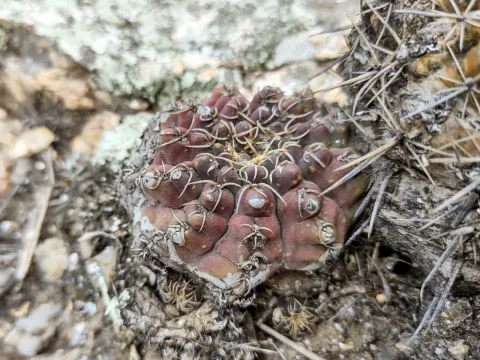
Gymnocalycium
Gymnocalycium
The propagation of Gymnocalycium is primarily performed through seeds, which should be sown during the spring season to maximize growth potential under increasing daylight.
What the section contains


Gymnocalycium
Seeds are placed on a well-draining, sterilized mineral substrate, lightly pressed into the surface, and covered with a clear lid to maintain consistent high humidity levels.
During the germination phase, temperatures should be kept stable between 22 and 25 degrees Celsius, while avoiding direct sunlight that could overheat the seeding tray.
Once the seedlings develop their first spines, they require gradual acclimatization to lower humidity levels before they are ready for their first individual transplant.
Consistent care in the early stages, including monitoring for mold and providing gentle ventilation, is crucial for the successful survival of young Gymnocalycium plants.
Gymnocalycium is a diverse genus within the Cactaceae family, native to South America, spanning countries like Argentina, Paraguay, Brazil, and Uruguay.
These plants thrive in bright, filtered light and are known for their distinctively ribbed stems and attractive flowers that emerge from the crown of the cactus.
The cultivation medium must be slightly acidic, porous, and free of excess organic matter to ensure proper drainage and prevent the roots from remaining in stagnant water.
Watering practices are essential: the soil must dry out completely between waterings, and water should be withheld almost entirely during the cooler winter dormant season.
Good air circulation is vital for maintaining plant health, especially in indoor environments, to help regulate temperature and reduce the risk of fungal infections.
Root mealybugs are a significant pest for Gymnocalycium, often remaining unnoticed in the root zone until the plant shows signs of stunted growth or chlorosis.
Overwatering, especially during periods of low light or low temperature, is the primary cause of stem rot, which can destroy the vascular system of the cactus rapidly.
Spider mites are another common threat that feeds on the skin of the cactus, resulting in unsightly discolored patches and weakening the overall structure of the plant.
In cases of infestation, systemic insecticides or specialized acaricides are recommended, ensuring the product is safe for use on succulent tissues.
Regular visual inspections of the roots and the base of the plant allow for the early detection of issues, making integrated pest management the best approach for long-term health.