
Browningia hertlingiana
Browningia hertlingiana
Description
Growing requirements
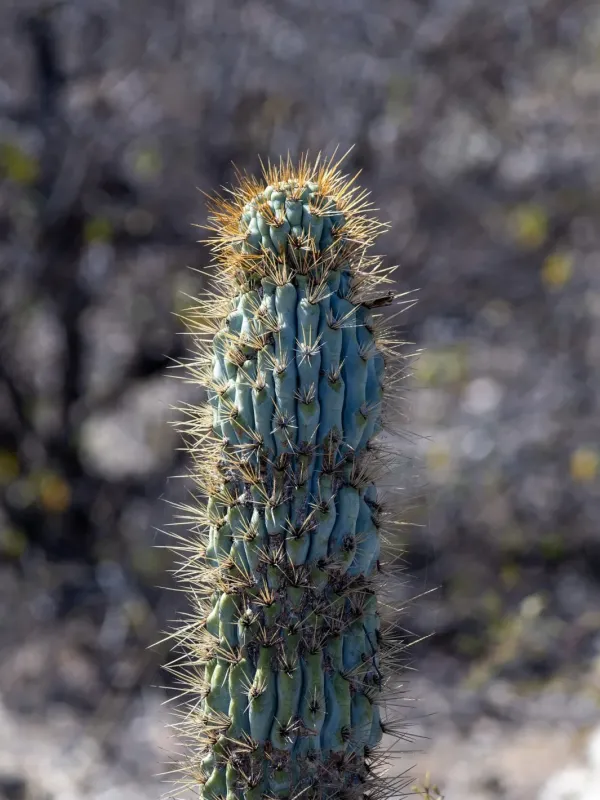
Browningia hertlingiana is a distinct species of columnar cactus within the Cactaceae family. Renowned for its spectacular blue-tinted epidermis, which is covered in a protective waxy bloom, it presents a unique aesthetic value in specialized horticultural collections.
The species is native to the high-altitude valleys of Peru. In these harsh environments, it has adapted to intense solar radiation and minimal rainfall. Cultivating it successfully requires replicating these conditions with high light intensity and extreme drainage.
Soil requirements are strict: the medium must be highly inorganic, consisting of pumice, grit, and coarse sand. Any organic components should be kept to a minimum to prevent the risk of root pathogens and ensure the plant maintains its structural integrity.
Climate control is crucial, particularly during the dormant season. The plant thrives in warm, dry summers and requires a cool, dry winter rest period to prevent weak, etiolated growth. Frost protection is mandatory as this species is sensitive to prolonged freezing temperatures.
Watering practices must be disciplined. During the growth phase, water should be applied only after the substrate has completely dried out. In winter, water should be significantly reduced or withheld to ensure the plant enters a period of metabolic dormancy.
Main diseases and pests
Root rot is the most common threat to this species, primarily triggered by poorly draining soil or excessive watering during the cooler months. The accumulation of moisture around the root crown can lead to irreversible tissue necrosis.
Mealybugs are the most persistent pest for Browningia hertlingiana. Due to the deep nature of the areoles, these pests can shelter and multiply unnoticed, causing damage to the developing spines and the plant's surface.
Spider mites represent another significant concern, particularly in indoor environments with limited airflow. Their feeding can cause severe surface scarring and disfigurement of the column, which significantly reduces the plant's visual appeal.
Fungal infections can quickly compromise the plant if humidity levels are allowed to rise significantly without adequate ventilation. Ensuring proper air movement is a primary prophylactic measure to mitigate the risks of fungal proliferation.
Integrated pest management strategies are advised, including regular physical inspections and the cautious use of systemic pesticides when necessary. Maintaining optimal plant vigor through correct cultural practices is the most effective way to improve natural resistance to disease.