
Astrophytum mirum
Astrophytum mirum
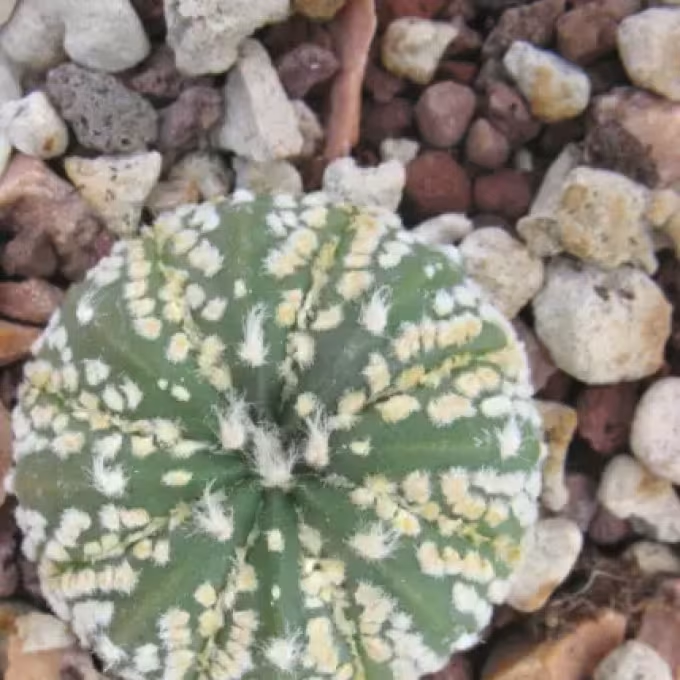
Description
Growing requirements
Astrophytum mirum is a distinct species within the Cactaceae family, endemic to arid limestone regions in Mexico. This plant is evolutionarily adapted to harsh desert environments with minimal rainfall and poor, rocky, alkaline soils.
Cultivation requires high light intensity; the plant thrives best in a greenhouse or an outdoor location with direct, unfiltered sunlight for most of the day. Inadequate light results in etiolation, where the stem becomes thin and loses its aesthetic characteristics.
The potting substrate must be extremely porous to ensure rapid water drainage. A mix comprising volcanic rock, pumice, and a small portion of mineral-based soil is ideal. Organic matter should be kept to a minimum to prevent root suffocation.
Watering should be strictly regulated according to the seasonal cycle. During the active growth period, water thoroughly when the soil is completely dry, but always ensure the soil dries out again within a few days to avoid root rot.
A dormant winter period is crucial for this species. Temperatures should be dropped to around 10 degrees Celsius, and the plant must be kept completely dry to mimic the natural winter drought of its native habitat, which triggers flowering in spring.
Main diseases and pests
Root rot is the most common killer of Astrophytum mirum, usually caused by overwatering or soil that retains too much moisture. The use of heavy, water-retentive peat-based soils is strictly contraindicated for this species.
Pests, particularly the mealybug, often target the plant, hiding in the deep woolly areoles and between the ribs. Manual removal or the application of systemic insecticides is necessary to keep the plant in a healthy condition.
Spider mites are another significant threat, particularly in hot and dry climates. They puncture the surface of the epidermis, causing unsightly scarring that becomes more visible as the plant matures. Regular inspections are recommended.
Inappropriate use of fertilizers can lead to soft growth that is more prone to damage and infections. It is best to use low-nitrogen, mineral-heavy fertilizers during the growing season to ensure sturdy and resilient growth.
Fungal pathogens can thrive if air circulation is poor. Proper ventilation in the growing area is essential to prevent mold growth on the epidermis and to manage the humidity levels around the root zone, ensuring long-term health.