
Astrophytum capricorne
Astrophytum capricorne
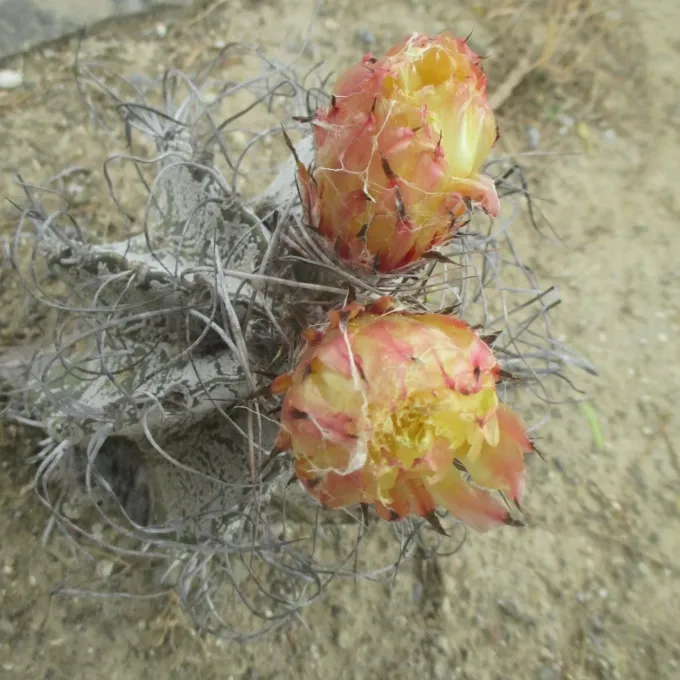
Description
Sowing dates
Sowing seeds of Astrophytum capricorne is best performed in the spring when daylight hours increase significantly. The ideal temperature range for germination is between 22 and 26 degrees Celsius.
The seeds should be sown in a light, well-draining substrate composed of sand, perlite, and a small portion of peat. Sterile soil conditions are crucial to prevent fungal infections, which are common in young cactus seedlings.
The container must be covered with glass or a transparent film to maintain a stable, high-humidity environment. Regular aeration is mandatory to prevent stagnation and mold formation on the substrate surface.
Once germination occurs, the cover should be removed gradually to acclimatize the seedlings to ambient humidity. It is vital to protect the young plants from direct sunlight during their first months.
Transplanting into individual pots should only be carried out after the seedlings have developed a robust root system, usually after a full year of growth in the initial container.
Growing requirements
Astrophytum capricorne is a perennial succulent belonging to the Cactaceae family, native to the arid limestone hills of northern Mexico. It is characterized by its distinct globe-shaped stem and long, curved spines.
This species requires intense sunlight to maintain its natural shape and to encourage flower production. Inadequate light will cause the plant to etiolate and become susceptible to various physical stresses.
The potting mix must be highly inorganic, with a significant proportion of grit or gravel. Poor drainage is the leading cause of plant mortality, as the roots are highly sensitive to prolonged moisture.
During the growing season, watering should be strictly monitored and performed only when the soil is completely dry. In contrast, winter dormancy requires a completely dry environment at lower temperatures.
Adequate ventilation is an essential aspect of proper agrotechnics, as the natural habitat of this species is characterized by constant airflow and dry, rocky soils.
Main diseases and pests
Root rot is the most serious threat to Astrophytum capricorne, typically caused by overwatering or soil that retains moisture for too long. Affected plants show signs of softening at the base.
Mealybugs are a frequent pest that hides in the deep areoles of the cactus. Their presence is indicated by white, cotton-like masses and can lead to the plant's overall decline if not treated.
Spider mites can cause significant damage to the skin of the cactus, leaving behind fine webbing and scarred, discolored patches. This usually occurs when the air remains too dry and stagnant.
Regular visual inspections are the best preventive measure. Keeping the surface of the soil clean and free of decaying organic matter helps reduce the risk of secondary infections.
When chemical treatments are necessary, it is important to use specialized systemic insecticides at reduced concentrations to avoid damaging the cactus's sensitive epidermis.