
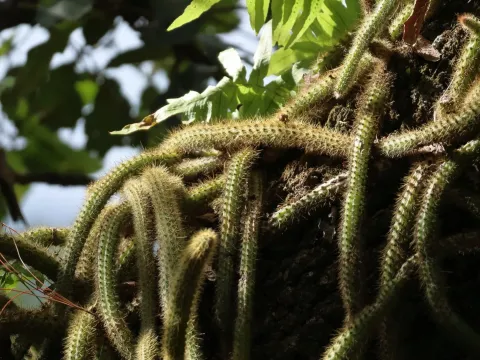
Aporocactus
Aporocactus
Aporocactus is primarily propagated through stem cuttings, which is the most reliable method for maintaining the desired characteristics. The best time for this process is during the active growth period, typically in late spring.
What the section contains


Aporocactus
Healthy segments of the stem, about 10–15 centimeters in length, should be selected. After cutting, they must be allowed to dry in a shaded, well-ventilated area for several days to form a protective callus.
The cuttings should be planted in a porous, well-draining medium. A mixture of perlite and sand is highly effective for inducing root development without causing decay of the succulent tissue.
Maintain the pots in a warm environment with temperatures between 22 and 24 degrees Celsius. Light misting of the substrate is preferred over heavy watering until the root system is well-established.
Once new growth is observed, the young plants can be transplanted into larger containers with standard cactus soil. This ensures the plant has enough nutrients to develop its characteristic long, pendulous stems.
Aporocactus belongs to the Cactaceae family and is recognized for its unique trailing habit. In its native habitat, it grows as an epiphyte on trees in the mountain forests of Mexico, enjoying high humidity.
These plants require bright, indirect light to thrive. While they can tolerate some morning sun, excessive heat and intense afternoon light can scorch the stems and fade their vibrant color.
The ideal soil for this species is a loose, slightly acidic mix that allows for excellent drainage. Using a standard succulent potting mix amended with extra pumice or bark will replicate their natural environment.
Temperature management is critical for flowering. During the growing season, temperatures of 20–25 degrees Celsius are ideal, while a cool rest period at 10–15 degrees during winter is essential for triggering bloom.
Watering should be balanced: keep the soil slightly moist during spring and summer, but reduce irrigation significantly in winter. Overwatering is the most common mistake and can lead to rapid decline.
Root rot is the most significant threat to Aporocactus, often caused by stagnant water in the soil or cold, damp conditions. Ensuring the drainage holes are never blocked is a vital maintenance step.
The red spider mite is a common pest that thrives in dry indoor air. It leaves tiny webbing between the stems, which leads to stunted growth and discolored patches if left unmanaged.
Mealybugs are another common nuisance, easily identified by their white, cotton-like masses found in the joints of the stems. These pests should be treated promptly with isopropyl alcohol or systemic insecticides.
Scale insects can also infest the stems, appearing as hard brown bumps. Manual removal or professional-grade horticultural oils are effective methods for controlling these infestations during the early stages.
To prevent disease, it is essential to maintain proper airflow around the plant. If any part of the cactus becomes soft or mushy, it should be surgically removed to prevent the spread of rot to the rest of the plant.