
Medusa's Head
Astrophytum caput-medusae
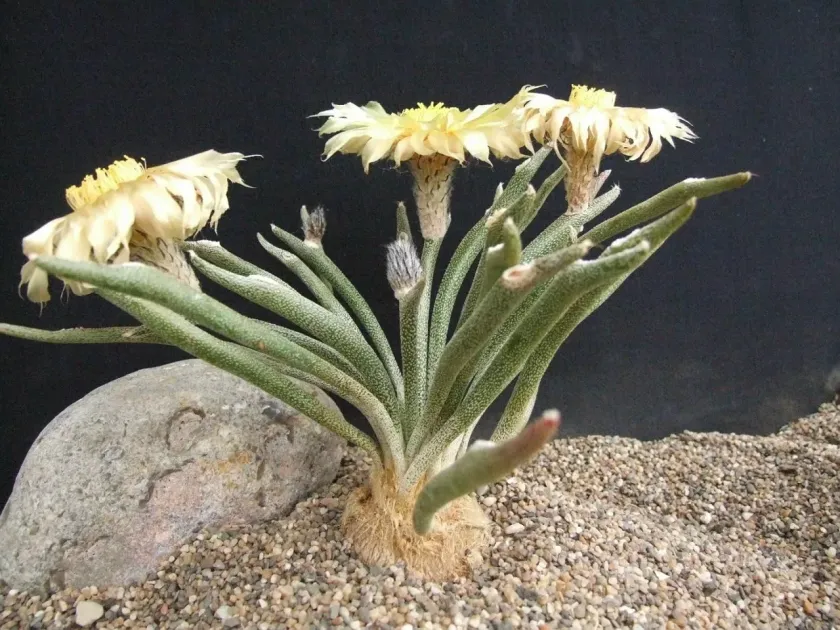
Description
Sowing dates
Propagation of Astrophytum caput-medusae is primarily achieved through seeds, which is the most reliable way to maintain the species' specific morphological characteristics. Sowing should ideally occur in early spring to take advantage of increasing light levels that support healthy seedling development.
The sowing medium must be highly porous and sterilized to prevent fungal growth. Seeds should be placed on the surface of the moist substrate and kept in a high-humidity environment, such as a covered plastic container or a mini-greenhouse, until germination occurs.
Maintaining a temperature between +22 and +26 degrees Celsius is critical for success. Once the seedlings emerge, gradual ventilation is required to acclimate them to the ambient environment and prevent the damping-off disease common in cacti.
Pricking out the seedlings should be deferred until they have developed a sufficient root system and the distinctive tuberous taproot. This slow-growing process requires careful handling to avoid damaging the fragile structures of the young plants.
Grafting seedlings onto vigorous rootstocks, such as Myrtillocactus or Echinopsis, is a common practice in professional horticulture. This method significantly speeds up growth rates and ensures the plant reaches flowering size much faster than those grown on their own roots.
Growing requirements
Astrophytum caput-medusae is a rare succulent from the Cactaceae family, native to the arid regions of Nuevo León, Mexico. In cultivation, it requires conditions that mimic its natural habitat, emphasizing high light intensity and perfect drainage.
The plant thrives under bright, filtered light. Exposure to intense sunlight is necessary for the development of its unique tentacle-like stems; insufficient light causes etiolation, which permanently ruins the plant's aesthetic shape and physiological health.
The soil mixture must be extremely well-draining, consisting of a high percentage of mineral components like coarse sand, gravel, and pumice. Organic matter should be kept to a minimum to prevent root suffocation and bacterial rot.
Watering must be performed with caution, allowing the substrate to dry out completely between sessions. During the winter rest period, water should be withheld almost entirely to simulate the natural dry season and prepare the plant for spring growth.
Temperature management during winter is equally important; a cool environment (around +10 degrees Celsius) is necessary for the plant to rest and accumulate energy for the next growing season, which ultimately supports better flowering.
Yield
The commercial and hobbyist value of this plant lies in its unique appearance, which attracts collectors worldwide. It is a premium ornamental species primarily used in private botanical collections and specialized nursery displays.
Productivity in a nursery setting is defined by the number of high-quality, symmetrical specimens produced. Since growth is slow, the market value of mature, well-formed Astrophytum caput-medusae remains consistently high due to its scarcity and slow propagation cycle.
Flowering occurs when the plant reaches maturity and is given proper light and seasonal rest. The yellow, bell-shaped flowers with red throats are a highlight, significantly increasing the market attractiveness of the specimen.
Seed production through cross-pollination is a vital aspect of the cultivation cycle. Healthy seeds are a highly sought-after commodity among hobbyists and are essential for maintaining the genetic diversity of cultivated stocks.
While not a traditional agricultural crop, its value as a niche ornamental product makes it a significant asset for specialized horticultural businesses focused on rare xerophytes.
Main diseases and pests
Root rot is the most significant threat to Astrophytum caput-medusae. It is typically caused by overwatering or soil mixes that retain too much moisture, creating an environment where pathogens like Phytophthora can thrive.
Mealybugs are a common pest that finds shelter in the deep crevices between the plant's tentacles. They extract sap, weakening the plant and potentially leaving wounds that are susceptible to further fungal or bacterial infections.
Spider mites can be particularly destructive in dry, poorly ventilated environments. They feed on the succulent's epidermis, leaving behind unsightly brownish scarring that permanently mars the plant's appearance and reduces its vitality.
Preventative care involving the use of systemic insecticides and fungicides is recommended. Regular inspections, especially focusing on the base and the crevices of the tentacles, help detect early signs of pest infestation before they become critical.
- Ensure proper air circulation to keep humidity low.
- Use coarse grit for top dressing to keep the root collar dry.
- Always quarantine new plants before adding them to a collection.
- Sterilize all cutting tools after use to prevent cross-contamination.