
Astrophytum coahuilense
Astrophytum coahuilense
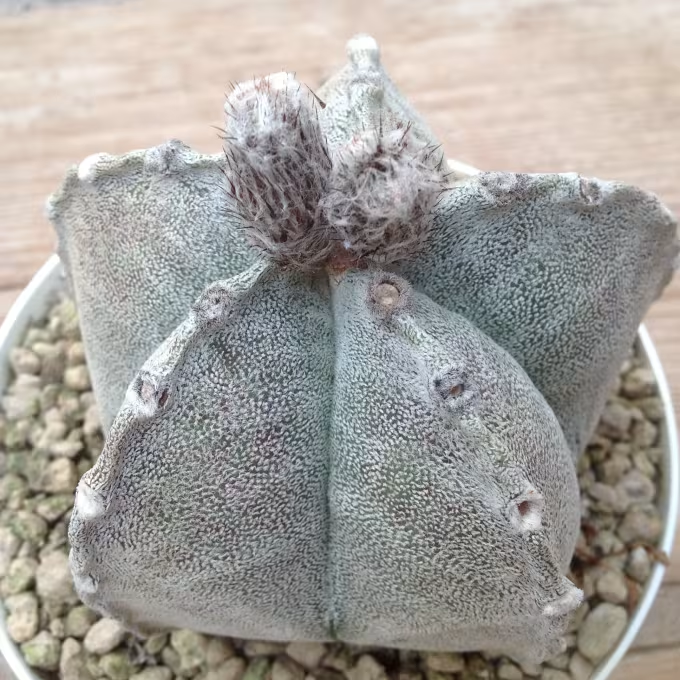
Description
Sowing dates
Sowing seeds of Astrophytum coahuilense should be performed in the spring when daytime temperatures rise consistently. Optimal germination requires a stable range between +22°C and +25°C, maintained within a greenhouse environment to ensure high humidity.
The sowing substrate must be sterile, mineral-based, and highly porous to prevent seedling rot. Seeds should be surface-sown or covered with a very thin layer of fine silica sand to allow sufficient light penetration, which is vital for initial development.
It is essential to treat seeds with a mild fungicide before sowing to prevent fungal infections, which are common in the high-humidity environment needed for germination. Seedlings should be kept in partial shade during their first few months to avoid scorching.
Pricking out the young plants is a delicate process that should not be attempted until at least one year after sowing. Care must be taken to minimize root disturbance, as the plant's root system is sensitive and prone to shock during repotting.
Artificial lighting using LED grow lights is recommended during the first year of growth to ensure a robust and compact structure. Providing 12–14 hours of light daily prevents etiolation and promotes the development of the distinctive epidermal white flakes.
Growing requirements
Astrophytum coahuilense belongs to the Cactaceae family and is native to the arid desert landscapes of Coahuila, Mexico. This species thrives in high-light conditions and requires excellent air circulation to maintain its unique morphological characteristics.
The ideal soil composition is primarily inorganic, consisting of gravel, coarse sand, and a small amount of volcanic rock. Organic material should be kept to an absolute minimum to avoid water retention and fungal development in the root zone.
Temperature management is critical; during the active growth season, daytime temperatures of +25°C to +30°C are preferred. A significant drop in temperature at night is beneficial, as it reflects the natural habitat's cycle and improves the plant's metabolic health.
Watering must be strictly controlled, applying water only after the substrate has dried out completely. In winter, the plants enter dormancy and must be kept entirely dry in a cool environment, ideally around +10°C to +12°C, to prevent physiological damage.
The plant's epidermis features white trichomes that act as a natural solar shield. In a greenhouse or indoor setting, maximum sun exposure is required to maintain the cactus's characteristic spherical or slightly elongated shape and healthy coloration.
Main diseases and pests
Root rot is the primary threat to Astrophytum coahuilense, typically caused by overwatering or poor drainage systems. Once rot sets in, it is difficult to arrest, making preventative soil management the most effective strategy for the grower.
Mealybugs are the most common pest, often colonizing the deep grooves between the ribs where they are hard to detect. Regular inspection and the use of targeted systemic insecticides are necessary to keep the population under control and protect the plant.
Spider mites can become problematic if the plant is grown in overly dry conditions with poor air movement. These pests cause unsightly scarring on the epidermis and can weaken the plant's overall vigor if left untreated.
Bacterial pathogens can spread through contaminated tools or non-sterilized soil components. Maintaining a clean cultivation environment is essential to preventing systemic infections that could compromise the cactus's longevity.
- Regular checks for pest infestations in rib crevices.
- Monitoring substrate moisture levels daily.
- Ensuring high-quality drainage in every pot.
- Isolating new specimens to prevent cross-contamination.
- Periodic replacement of soil to maintain nutrient levels.