
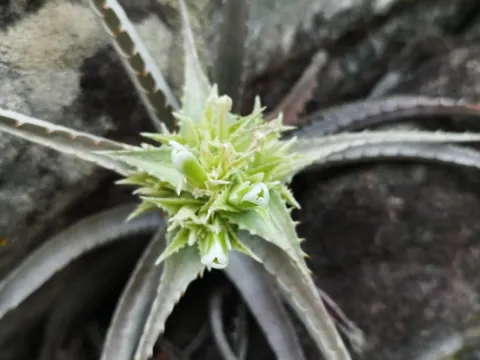
Orthophytum
Orthophytum
Orthophytum is a genus of perennial flowering plants belonging to the Bromeliaceae family. Native primarily to Brazil, these plants inhabit rocky outcrops and forest environments, where they have evolved to thrive in specialized microclimates with high light intensity.
What the section contains


Orthophytum
The plant structure is defined by dense rosettes of stiff, often serrated or spiny leaves. Depending on the species, Orthophytum can be found as either an epiphyte clinging to trees or as a lithophyte growing directly on rocks, which dictates its preference for well-drained habitats.
Cultivation requires bright, indirect light or filtered sunshine to maintain the structural integrity and coloration of the foliage. These plants are sensitive to prolonged periods of darkness, which can lead to etiolation and a weakened physical state.
The soil or growing medium must be exceptionally well-draining, mimicking the natural environment of rocky crevices. A mix of peat, bark, and perlite is recommended to prevent waterlogging, which is the primary cause of root failure in this genus.
Temperature management involves maintaining warm conditions throughout the year, ideally ranging from 18 to 26 degrees Celsius. Sudden temperature drops should be avoided to prevent stress, which can make the plant more susceptible to opportunistic pathogens.
The most significant threat to Orthophytum is fungal rot resulting from poor drainage and stagnant moisture in the leaf rosette. If water remains in the center of the plant during cooler or less sunny days, the heart of the rosette will rapidly succumb to rot.
Scale insects and mealybugs are the most frequent pests affecting these plants. These insects are often found deep within the leaf axils, making physical removal or the use of systemic insecticides necessary to prevent long-term damage to the plant tissue.
Spider mites represent a secondary threat, particularly when the ambient humidity drops below optimal levels. These microscopic pests extract sap from the leaves, causing discolored patches and weakening the overall vigor of the specimen.
Nutrient deficiency or improper fertilization can leave the plant vulnerable to common diseases. It is essential to use a balanced, water-soluble fertilizer specifically formulated for bromeliads at half-strength during the growing season to ensure robust health.
Effective plant protection strategies focus on preventive care, including proper ventilation and avoiding overhead watering during evening hours. Early detection and isolation of infested plants are critical steps in preserving the health of the entire collection.