
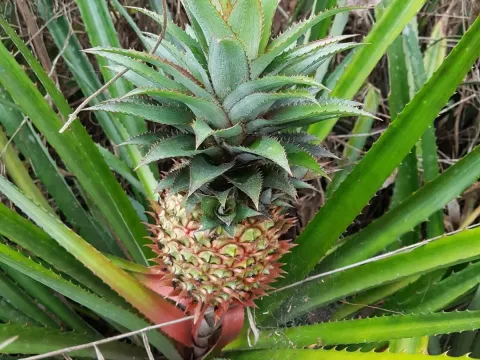
Pineapple
Ananas
Pineapple (Ananas comosus) is a perennial herbaceous plant belonging to the Bromeliaceae family. As a tropical crop, it requires precise environmental conditions to maximize both yield and fruit quality during its growth cycle.
What the section contains

Pineapple
The ideal temperature range for pineapple cultivation is between +22 °C and +30 °C. The plant is highly sensitive to cold, and temperatures below +15 °C significantly inhibit growth, while frost can be lethal to the crop.
Soil management is critical; pineapples thrive in light, well-draining sandy or loamy soils with an acidic pH between 4.5 and 5.5. Proper soil aeration is vital to prevent root suffocation and subsequent fungal root rot.
As a sun-loving plant, pineapple requires high levels of solar radiation for optimal development. Intense light exposure is essential for the photosynthesis process that leads to the accumulation of sugars and flavor in the developing fruit.
Although pineapples utilize a highly efficient CAM-photosynthesis mechanism to conserve water, supplemental irrigation via drip systems is often employed in industrial farming to ensure consistent fruit sizing and development.
Commercial pineapple yield is largely determined by the quality of the planting material used. Propagules, such as crowns, slips, or suckers, are commonly selected to ensure uniformity across the entire plantation.
The growth cycle from planting to the first harvest typically spans 18 to 24 months. Growers often use ethylene-based growth regulators to induce synchronized flowering, which allows for scheduled and mechanized harvesting.
In intensive production systems, yields can range from 50 to 80 tons per hectare. High-density planting strategies are common, with populations often reaching 50,000 to 60,000 plants per hectare to maximize space efficiency.
Economic utility extends beyond fresh fruit consumption. Pineapple is a major industrial crop used for canning, juice extraction, and the isolation of bromelain, a proteolytic enzyme with diverse applications in the food and medical industries.
After the primary harvest, plantations often rely on ratoon crops—secondary shoots from the main plant. While ratoon crops offer faster harvests, they generally produce smaller fruit, leading to periodic plantation renovation.
Phytophthora root and heart rot represent the most significant fungal threat to pineapple plantations. These pathogens thrive in waterlogged soil conditions and can cause rapid destruction of the root systems.
Mealybugs are the primary insect pests affecting pineapple crops. They cause direct damage by feeding on plant sap and serve as crucial vectors for the mealybug wilt-associated virus, which can decimate entire production areas.
Nematodes are another major agricultural challenge, as they infest roots and reduce the plant's ability to uptake water and nutrients. Soil fumigation before planting is a standard preventative measure in many regions.
Leaf spot diseases often occur under high-humidity conditions. Integrated pest management, including fungicide applications and ensuring adequate plantation airflow, is necessary to minimize the spread of these infections.
- Regular inspection of plant bases for mealybug infestations.
- Strict adherence to sanitation protocols to prevent pathogen spread.
- Use of disease-resistant cultivars whenever possible.
Harvesting is performed manually to maintain fruit integrity. The harvest timing is decided by assessing fruit skin color change and measuring the total soluble solids (Brix levels) to ensure the fruit meets market standards.
For long-distance export, fruits are harvested at an earlier maturity stage (green-yellow). This allows the fruit to ripen naturally during transit and distribution while maintaining a suitable shelf life for consumers.
Post-harvest handling is critical. Fruits must be carefully cleaned and inspected for mechanical damage, as wounds on the surface can easily become entry points for fungi, leading to rot during the cold chain process.
Proper storage temperatures are maintained at +7 °C to +10 °C. This temperature range is crucial for slowing down the respiration rate of the fruit and preventing physiological disorders like chilling injury or over-ripening.
Quality control standards involve weighing and grading the fruit, ensuring that each batch is uniform. This process allows producers to effectively supply both fresh produce markets and the food processing industry.