
Orthophytum vagans
Orthophytum vagans
Description
Growing requirements
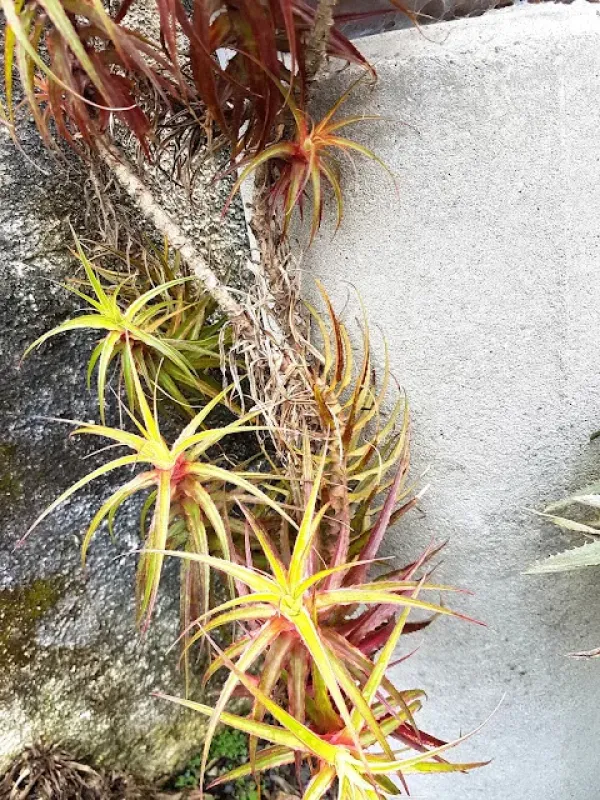
Orthophytum vagans is a distinctive species within the Bromeliaceae family. Originating from the tropical forests of Brazil, it is characterized by its rosette-forming habit and unique foliage, often used in specialized horticultural collections.
In terms of substrate requirements, this plant demands an extremely airy and porous medium. A mixture of pine bark, perlite, and coarse peat is ideal for preventing root rot, as the roots require significant oxygen levels to remain healthy.
The climate requirements involve maintaining a warm and humid environment. The plant performs best in temperatures ranging from 20°C to 27°C. It is intolerant of cold temperatures and should never be exposed to frost or sudden chilly drafts.
Lighting should be bright but filtered. If grown in direct sunlight, the leaves may lose their vibrant color or suffer from severe dehydration, which impacts the overall decorative value and growth rate of the plant.
Watering practices are based on filling the central tank of the rosette with water. It is essential to flush this water out periodically to prevent the buildup of stagnant minerals and debris, which can otherwise lead to bacterial rot.
Main diseases and pests
Mealybugs are the most common pests that infest Orthophytum vagans. These insects hide deep within the crevices of the rosette, making them difficult to detect until the plant shows visible signs of stunted growth or leaf yellowing.
Spider mites can also become a significant threat if the ambient humidity levels fall below the required threshold for long periods. They thrive in dry, stagnant air and can cause rapid damage to the leaf epidermis.
Fungal infections, particularly those affecting the crown and roots, are primarily caused by overwatering or poor drainage. Once a fungal infection takes hold, it spreads quickly through the succulent tissue of the plant.
Management of these threats involves proactive integrated pest management. Regular monitoring of the foliage and ensuring adequate airflow help to mitigate the risk of infestation and disease development significantly.
Applying preventative treatments, such as neem oil or mild horticultural soaps, can help keep pests at bay. However, always test the solution on a small portion of the leaf to ensure it does not cause any phytotoxic reaction.