
Orthophytum benzingii
Orthophytum benzingii
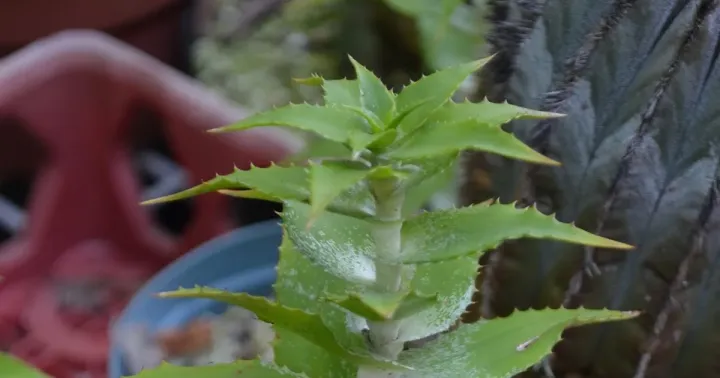
Description
Growing requirements
Orthophytum benzingii is a unique species belonging to the Bromeliaceae family. Originating from Brazil, it has adapted to specific rocky habitats, showcasing the resilience of bromeliads in diverse tropical ecosystems.
Botanically, the plant is characterized by a compact rosette of rigid leaves. These structures act as a natural reservoir, allowing the plant to store water and survive in environments where moisture availability can be erratic.
For optimal growth, this species requires bright, filtered light. Exposure to intense, direct sun can be detrimental, leading to tissue damage, while low light conditions inhibit the development of the characteristic rosette shape.
Soil requirements focus on extreme drainage and aeration. A mixture composed of coarse pine bark, perlite, and fibrous peat provides the structural stability needed for the root system to breathe without becoming waterlogged.
Climatic conditions should mimic its native tropical habitat. Consistent temperatures between 22 and 26 degrees Celsius, combined with high ambient humidity, are essential for maintaining the vigor of the plant during its active season.
Main diseases and pests
Fungal pathogens represent a primary threat to Orthophytum benzingii. These organisms often thrive in water-logged substrates, causing the base of the rosette to decay rapidly if proper drainage is not maintained.
Mealybugs are the most common pests observed on this species. They hide in the dense axils of the leaves, where their presence is often marked by a white, cottony residue that interferes with the plant’s respiration.
Scale insects can also infest the leaves, attaching themselves firmly to the surfaces. If left untreated, they can cause yellowing and necrosis of the affected leaf areas due to constant sap removal.
Spider mites are a significant concern during the winter months, especially in climate-controlled environments. These tiny pests thrive in dry air, causing stippling patterns on the leaves that significantly reduce the plant's aesthetic value.
Proactive management of pests and diseases requires a regular inspection schedule. Early detection of symptoms allows for targeted interventions using mild soaps or horticultural oils to protect the plant from further stress.