
Orthophytum gurkenii
Orthophytum gurkenii
Description
Growing requirements
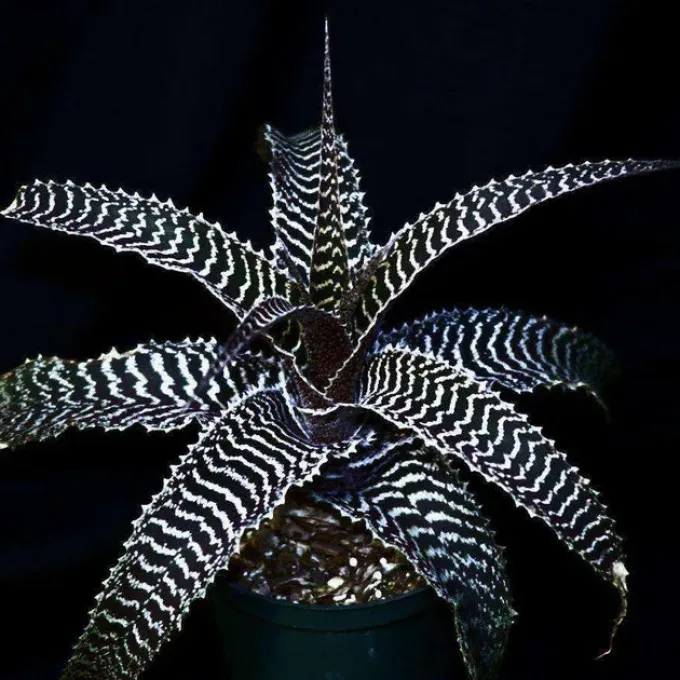
Orthophytum gurkenii is a fascinating perennial species belonging to the Bromeliad family (Bromeliaceae). Native to the arid regions of Brazil, this plant has evolved to thrive in environments where water is often scarce, making it a true succulent bromeliad.
The plant features a basal rosette of leaves that store moisture, allowing it to survive long periods without rainfall. Its natural habitat includes rocky slopes and dry forests, which dictates its preference for well-drained, sandy, or rocky soil compositions.
When grown in a controlled environment, Orthophytum gurkenii requires bright, indirect light to maintain its compact growth habit. Exposure to harsh, direct sunlight during peak hours can cause leaf damage, while insufficient light leads to etiolation and loss of vibrant colors.
The potting medium must be exceptionally porous. A mixture consisting of peat moss, perlite, and fine bark is ideal for providing the necessary aeration for the roots. This prevents the potting mix from becoming too compacted, which is vital for the health of the root system.
Temperature management is crucial for this species. It prefers a warm environment, ideally between 20°C and 25°C. Temperatures falling below 15°C for extended periods can cause metabolic slowdowns and increase the plant's susceptibility to physiological stress.
Main diseases and pests
The most significant threat to Orthophytum gurkenii is root rot, typically caused by overwatering or poor drainage. Excess water retained in the rosette's center, especially in cooler conditions, will almost certainly lead to the death of the plant.
Pests such as spider mites and mealybugs are the primary enemies. Spider mites thrive in dry conditions and can quickly drain the plant's vitality, while mealybugs prefer the sheltered, hidden spaces within the leaf axils, making them difficult to detect early.
Control measures involve maintaining proper airflow and avoiding overcrowding, which discourages pest proliferation. If an infestation occurs, horticultural oils or systemic insecticides are recommended to effectively eliminate the threat.
Fungal infections, often appearing as dark or water-soaked spots on the leaves, are usually a symptom of poor ventilation. Addressing the cultural conditions, such as reducing ambient humidity and improving airflow, is the first step in managing these infections.
Good hygiene practices, such as removing spent flowers and debris from the base of the plant, are essential. Keeping the surface of the growing medium clean helps prevent the accumulation of spores and pests, ensuring long-term health for the culture.