
Liriope exiliflora
Liriope exiliflora (L. H. Bailey) H. H. Hume
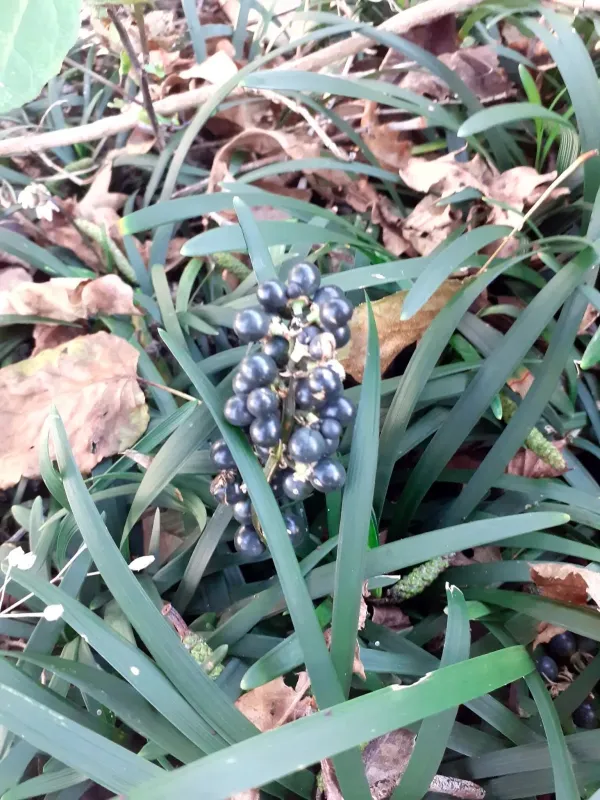
Description
Growing requirements
Liriope exiliflora is a perennial herbaceous plant belonging to the Asparagaceae family. It is widely recognized for its grass-like appearance and its ability to thrive in various environmental conditions, making it a valuable ornamental crop.
Native to East Asia, including parts of China and Japan, this plant has adapted to temperate and subtropical woodland environments. Its natural habitat contributes to its robust nature and preference for shaded or semi-shaded locations in cultivation.
To achieve optimal growth, the plant requires well-drained, humus-rich soil. It exhibits moderate drought tolerance once established, but regular watering during the first growing season is crucial to ensure deep rooting and healthy leaf development.
The climate requirements for Liriope exiliflora are primarily based on mild to moderate temperature zones. While it is winter-hardy, in regions experiencing extreme frost, the evergreen foliage may require protective mulching to prevent desiccation.
Commercially, this crop is used extensively in urban landscaping and horticulture. It is prized for its year-round visual appeal, low maintenance requirements, and ability to prevent soil erosion when planted on slopes or in mass groupings.
Main diseases and pests
Disease pressure in Liriope exiliflora is generally low, provided that drainage is managed properly. Over-irrigation frequently leads to root rot issues, which are considered the primary biological threat to the plant's survival.
Common pests affecting this species include slugs and snails, which can cause significant damage to the leaf tissue during periods of high humidity. Regular inspections are recommended to prevent infestations that could spoil the plant's aesthetic value.