
Liriope graminifolia
Liriope graminifolia (L.) Baker
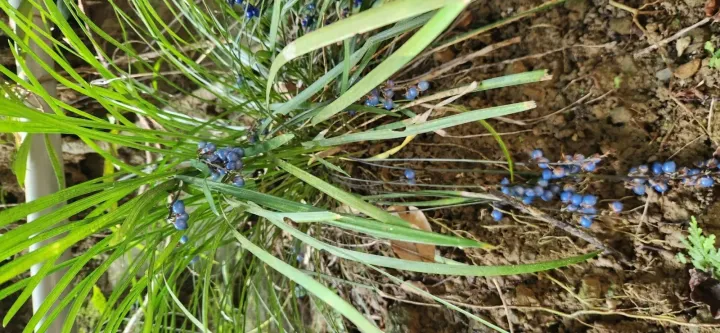
Description
Growing requirements
Liriope graminifolia is a perennial herbaceous plant belonging to the Asparagaceae family. Native to East Asia, specifically regions across China and surrounding territories, it naturally inhabits forest understories and shaded mountain slopes.
The plant is characterized by its grass-like, narrow, arching leaves that form dense, evergreen clumps. These rosettes usually reach a height of 30–40 cm, providing a persistent greenery effect throughout the growing season.
Cultivation requires fertile, well-draining soil rich in organic matter. While the plant can tolerate various soil textures, it thrives in slightly acidic to neutral pH environments where moisture levels remain consistent without becoming waterlogged.
It is highly valued for its shade tolerance, making it an excellent choice for areas with filtered light. It adapts well to temperate climates and, once established, demonstrates resilience to seasonal drought periods.
Horticulturally, Liriope graminifolia is widely used as a ground cover in landscape architecture. It serves effectively for erosion control on slopes, border lining, and as a low-maintenance alternative to traditional turf in shady garden zones.
Main diseases and pests
Liriope graminifolia is generally resistant, but improper irrigation can lead to fungal issues. Anthracnose is a common concern in overly humid conditions, leading to unsightly spotting on the leaf blades.
Root rot represents the primary agricultural threat, typically caused by poor soil drainage. If the root system remains saturated for extended periods, the plant's vascular integrity may be compromised, eventually leading to plant death.
Slugs and snails are the most frequent pests, particularly during the wet spring months. They target young, succulent foliage, which can disfigure the plant and potentially introduce pathogens through the feeding wounds.
Foliar nematodes are another potential pest, causing stunted growth and yellowing of the leaves. Preventing infestations requires using clean, certified planting stock and avoiding overhead irrigation that leaves foliage damp.
Effective management includes maintaining proper spacing between plants to improve airflow and keeping the base of the plants clear of decaying organic matter. Targeted fungicide or molluscicide application is recommended only when thresholds are exceeded.