
Liriope muscari
Liriope muscari (Decne.) L. H. Bailey
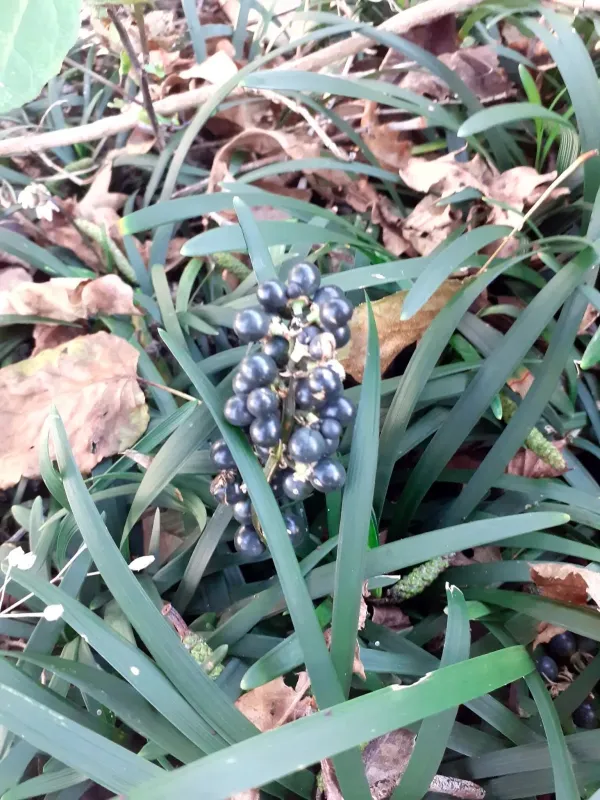
Description
Sowing dates
Liriope muscari is a perennial evergreen plant belonging to the Asparagaceae family. The most common and effective way to propagate this crop is by dividing established root clumps during the spring season.
Planting should take place once the soil has warmed up and the risk of late spring frosts has passed. Proper spacing is essential, with plants set 20 to 30 centimeters apart to allow for healthy growth and expansion.
Seeds can be used for propagation, although this method is less common due to the long stratification requirements. Seeds are typically sown in containers outdoors in the fall to experience a natural cold period.
When creating ground cover borders, higher density planting is recommended to ensure the soil is covered quickly. Using 9 to 12 plants per square meter is standard for a lush, uniform appearance.
After planting, it is crucial to water the root area thoroughly. This initial hydration helps the plants settle into their new environment and prevents root desiccation during the adaptation phase.
Growing requirements
Liriope muscari performs best in partial to full shade, especially in regions with intense summer heat. While it is adaptable, direct afternoon sun can cause leaf tips to scorch and turn brown.
The soil must be fertile, rich in organic matter, and well-draining. Although it is quite tolerant of various soil types, the plant thrives in acidic to neutral conditions with good aeration.
Regular irrigation is vital during the growing season, particularly in the first year after planting. Established clumps have moderate drought tolerance but look much healthier with consistent moisture.
The plant is hardy in temperate climates but benefits from a layer of mulch in regions with harsh winters. This protects the crowns from extreme temperature fluctuations and excessive moisture.
Fertilization with a balanced, slow-release fertilizer in early spring encourages vibrant foliage production. Avoid excessive nitrogen applications in late summer to prevent vulnerable new growth before winter.
Main diseases and pests
Disease issues in Liriope muscari are primarily related to excessive humidity and poor drainage. Anthracnose and fungal leaf spots are common when air circulation is limited or when the soil remains waterlogged.
Root rot is the most significant threat to the plant's long-term health. Ensuring proper slope or drainage in the landscape is the most effective preventative measure against this destructive condition.
Slugs and snails are the most frequent pests, especially in damp, shaded garden areas. Integrated pest management, such as setting beer traps or using organic baits, is often required during the wet season.
Scale insects or spider mites may occasionally infest the foliage, particularly if the plant is under stress. Regular inspection and the use of insecticidal soaps can resolve these minor infestations quickly.
Good sanitation, including removing old or diseased leaves, is essential. Keeping the surrounding area free of debris reduces the chances of pests and pathogens harboring in the garden.
Harvesting
Liriope muscari is primarily valued for its role in landscape architecture as a low-maintenance ground cover. It is widely used in residential and commercial projects for borders and accent plantings.
The flower spikes can be harvested for floral arrangements when the buds are partially open. They add an elegant, vertical element to bouquets and have a decent lifespan when placed in clean water.
Annual maintenance requires a heavy trim of the foliage in late winter. Mowing or cutting the leaves down to a few centimeters before new growth begins keeps the plant rejuvenated for the coming year.
In a nursery setting, plants are prepared for sale by dividing large stocks into individual containers. These are usually grown for one season to ensure a strong, established root system before final planting.
Due to its durability and resistance to many urban pollutants, this crop is highly regarded in sustainable landscaping. It remains a staple in garden design for its consistent beauty and reliability throughout the seasons.