
Liriope spicata
Liriope spicata (Thunb.) Lour.
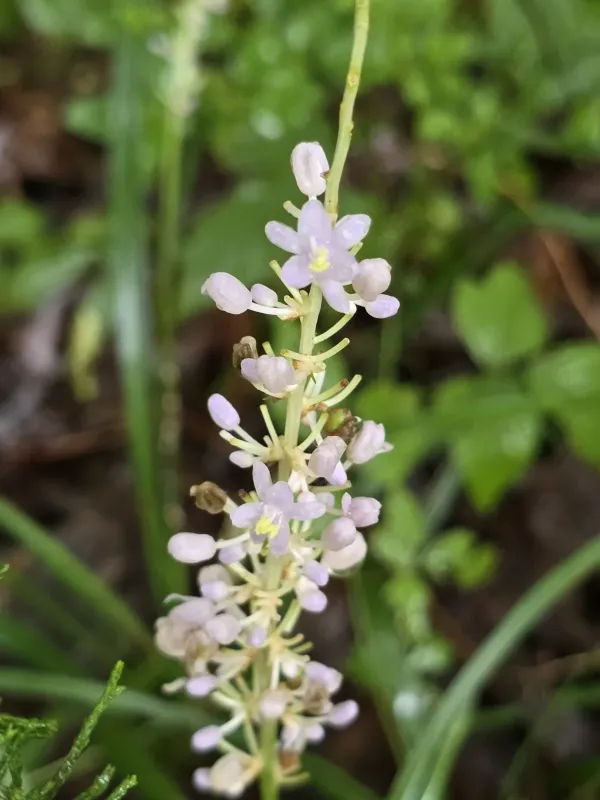
Description
Growing requirements
Liriope spicata, commonly known as creeping lilyturf, is a perennial plant belonging to the Asparagaceae family. It originates from East Asia, where it is found in diverse habitats ranging from dense forests to grassy slopes.
The plant is characterized by its rhizomatous growth habit, which allows it to spread rapidly through underground stolons. The leaves are grass-like, dark green, and linear, providing a dense, evergreen appearance throughout the vegetation season.
Regarding soil requirements, it thrives in well-draining, moist, and organically rich environments. While it is adaptable to various soil pH levels, it performs optimally in acidic to neutral conditions with moderate nutrient availability.
The plant is highly adaptable to climate conditions, exhibiting hardiness across temperate zones. It is particularly valued for its ability to grow in full shade or partial sun, making it a versatile tool for gardeners and landscape professionals.
Economically, Liriope spicata is primarily used as a robust groundcover to prevent soil erosion and weed growth. Furthermore, in traditional medicine, its tuberous roots are extracted and utilized for various therapeutic properties.
Main diseases and pests
The crop is generally resilient to pests, though it may be susceptible to root rot and crown rot, especially in poorly drained soils or areas prone to heavy waterlogging.
Pest issues are minimal, but occasionally snails and slugs can cause damage to the foliage, particularly in early spring or during prolonged periods of high humidity.