
Liriope minor
Liriope minor (Maxim.) Makino
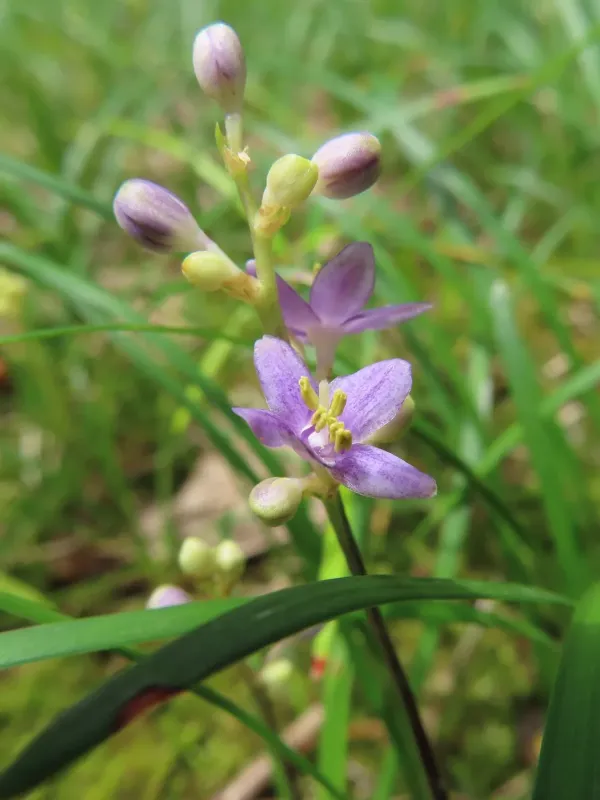
Description
Sowing dates
Liriope minor is a charming perennial belonging to the Asparagaceae family. Propagation is primarily achieved through the division of mature clumps, which is best performed in early spring before the new growth starts.
While seeds can be used for propagation, they require a period of cold stratification to overcome dormancy. Seeds should be sown in a moist potting mix and kept in a cool environment for several weeks before germination occurs.
When dividing, ensure each division has a healthy portion of the root system and several leaves. Replanting these divisions immediately into prepared garden beds helps the plant establish its root system before the heat of summer.
Space the plants approximately 25 to 30 centimeters apart. This spacing allows the plant to spread effectively, eventually forming a thick, uniform carpet that suppresses weed growth in the garden.
Initial establishment requires consistent moisture. Watering the newly planted divisions frequently for the first few weeks is crucial to ensure they settle in properly and develop strong, deep roots.
Growing requirements
Liriope minor thrives in shaded to partially shaded environments. Its natural habitat includes woodland areas where it receives dappled sunlight, making it an excellent choice for shaded garden beds or under trees.
The ideal soil is rich, well-draining, and slightly acidic to neutral. Providing a high organic matter content in the soil improves both moisture retention and aeration, which are vital for healthy plant development.
Regular watering is necessary, especially during dry spells, as the plant does not tolerate prolonged drought. However, it is equally important to avoid waterlogged soil, which can lead to rapid root decay.
The plant is relatively cold-hardy, but in regions with harsh winters, providing a layer of mulch around the base protects the crown from freezing temperatures. This practice is especially important for young or recently planted specimens.
Maintenance involves seasonal feeding with a balanced, slow-release fertilizer. Applying nutrients in early spring supports the flush of new growth, while light cleaning of old, weathered foliage keeps the plant looking tidy.
Main diseases and pests
Disease issues are generally minimal for Liriope minor, provided the soil is well-drained. The most common risk is root rot, which typically arises from overly saturated soil or improper drainage management.
Pests like slugs and snails may target the tender leaves, particularly in humid or rainy climates. Implementing simple cultural controls, such as manual removal or using organic barriers, is often sufficient to keep them at bay.
Occasional infestations of spider mites or scale insects can occur if the plants are stressed or grown in poor conditions. Monitoring the underside of leaves periodically allows for early detection and intervention.
Air circulation is key to preventing fungal diseases. Avoid overcrowding the plants and ensure that any debris or dead foliage is removed to keep the planting site clean and healthy throughout the year.
If fungal infections appear, such as leaf spot, fungicide treatments should be applied according to local agricultural recommendations. Maintaining strong, healthy plants through proper care is the best defense against pathogens.