
Drimiopsis botryoides
Drimiopsis botryoides
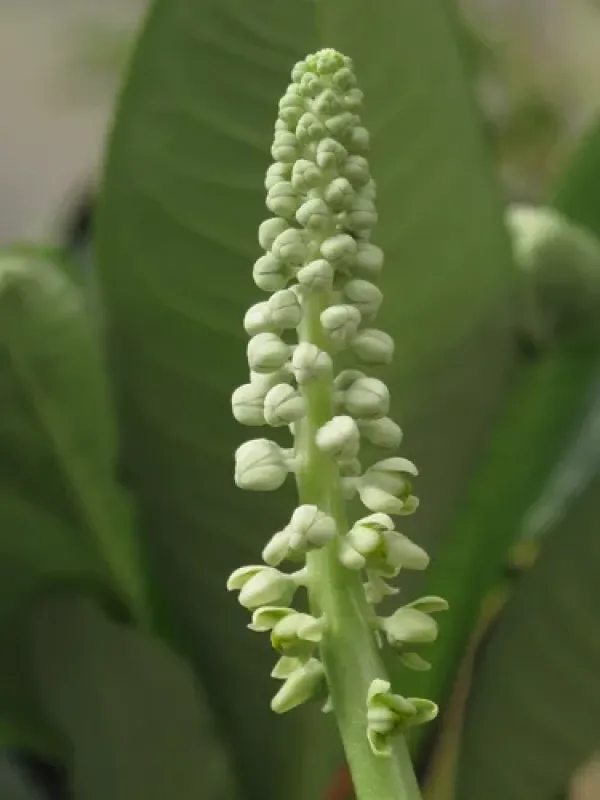
Description
Growing requirements
Drimiopsis botryoides is a perennial bulbous plant belonging to the Asparagaceae family. Originally native to the rocky and arid regions of Africa, this species has evolved to thrive in well-draining substrates, mimicking its natural habitat.
The plant is characterized by its small, rounded bulbs and succulent-like leaves. In cultivation, it serves as an ornamental plant that demands bright, indirect sunlight to maintain its compact shape and vibrant leaf coloration throughout the growing season.
For optimal growth, the substrate must be loose and airy. A professional mix consisting of potting soil, coarse sand, and perlite in a ratio of 2:1:1 ensures proper drainage, preventing the roots from sitting in stagnant water which is fatal for this species.
Temperature management is a key aspect of the plant's life cycle. During the active growth period, it prefers temperatures between 20°C and 25°C. As autumn approaches, a reduction in temperature and watering frequency is necessary to induce a period of dormancy.
Fertilization should be applied only during the active growth phase, typically from late spring to late summer. A balanced liquid fertilizer diluted to half strength is recommended every four weeks to support bulb development and leaf vitality.
Main diseases and pests
The most significant threat to Drimiopsis botryoides is root and bulb rot. This condition is almost exclusively caused by overwatering or using a heavy, poorly draining potting medium that retains excessive moisture.
Common pests include spider mites and mealybugs, which are often attracted to the plant in dry indoor environments with poor air circulation. Regular inspection of the leaf axils is essential for early detection of these invasive pests.
Fungal infections can manifest as black spots or mushy areas on the bulb surface. If detected early, the affected parts should be removed, and the plant should be repotted into fresh, dry soil to prevent the spread of the infection.
To prevent pest outbreaks, keeping the foliage clean and maintaining adequate airflow around the plant is vital. In case of a severe infestation, the use of systemic insecticides or neem oil can be effective if applied as directed.
A dormant bulb that is improperly stored in damp conditions may fail to sprout in the spring. Ensuring a dry rest period is the best strategy to maintain the long-term health and vigor of this bulbous specimen.