
Drimiopsis maculata
Drimiopsis maculata
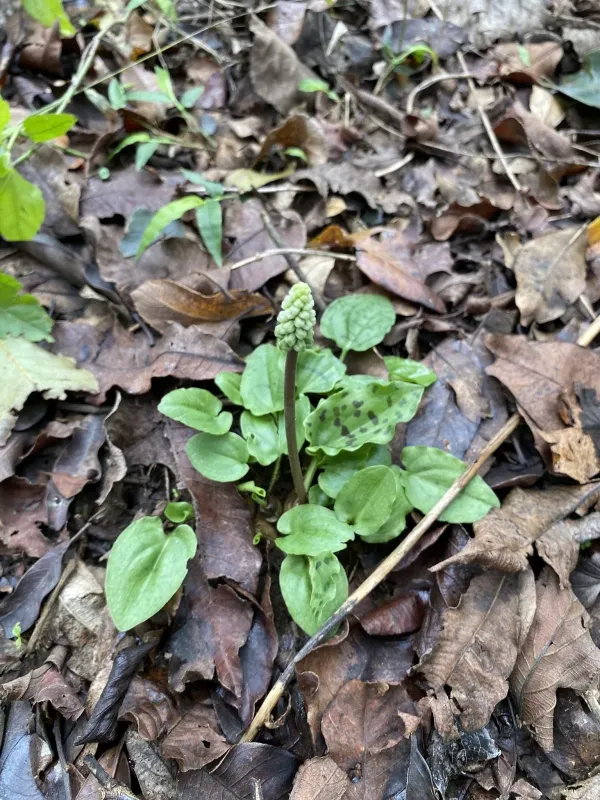
Description
Growing requirements
Drimiopsis maculata is a perennial bulbous plant belonging to the Asparagaceae family. Originating from the tropical regions of Eastern and Southern Africa, this species is highly valued for its distinctively spotted foliage.
The plant thrives in bright, indirect light, which is essential for maintaining the characteristic leopard-like spotting on its leaves. Direct sunlight should be avoided to prevent leaf scorch, while low light conditions result in etiolated growth.
Optimal growth requires a well-draining, porous substrate. A standard mix for this crop includes peat-based soil, perlite, and coarse sand, ensuring that water does not linger around the sensitive bulbs, which are prone to decay.
Climatic requirements involve stable temperatures between 20°C and 25°C during the growing season. During the winter dormancy phase, the plant prefers cooler temperatures around 15°C and significantly reduced irrigation cycles.
Agronomic management includes careful watering practices: the soil should dry out significantly between watering events. Fertilizer applications should be balanced and applied only during the active growth phase, as excessive nitrogen can lead to weak bulb structure.
Main diseases and pests
The most prevalent pests affecting this crop include spider mites, mealybugs, and aphids, which typically infest the foliage during the warmer months if humidity levels are not properly managed.
Fungal pathogens such as Fusarium or Pythium can compromise the bulbs if the root zone is chronically waterlogged or if the potting medium lacks adequate aeration. Proper drainage and sterile soil conditions are the primary preventative measures.