
Beaucarnea
Beaucarnea
Beaucarnea, commonly known as the ponytail palm or bottle tree, belongs to the Asparagaceae family. Native to the arid regions of Mexico and the southern United States, this species has evolved as a succulent adapted to drought-prone environments.
What the section contains
 Beaucarnea compacta
Beaucarnea compacta
Beaucarnea compacta
 Beaucarnea glassiana
Beaucarnea glassiana
Beaucarnea glassiana
 Beaucarnea gracilis
Beaucarnea gracilis
Beaucarnea gracilis
 Beaucarnea guatemalensis
Beaucarnea guatemalensis
Beaucarnea guatemalensis
 Beaucarnea hiriartiae
Beaucarnea hiriartiae
Beaucarnea hiriartiae
 Beaucarnea hookeri
Beaucarnea hookeri
Beaucarnea hookeri
 Beaucarnea pliabilis
Beaucarnea pliabilis
Beaucarnea pliabilis
 Beaucarnea stricta
Beaucarnea stricta
Beaucarnea stricta
Beaucarnea
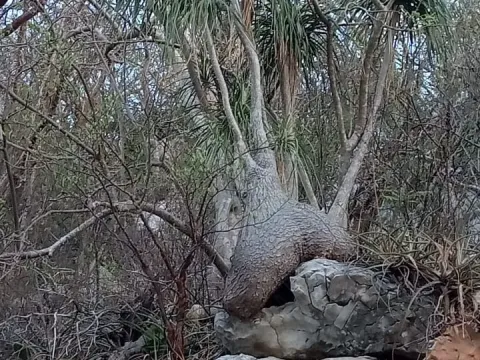
The defining botanical feature of Beaucarnea is its caudex, a distinct bulbous swelling at the base of the stem. This specialized organ serves as a water-storage mechanism, enabling the plant to withstand extended dry periods typical of its natural xerophytic habitat.
In terms of cultivation requirements, Beaucarnea demands high levels of solar radiation. Full sunlight is ideal for the development of its characteristic rosette of long, strap-like leaves, which are resilient and leathery in texture to prevent excessive transpiration.
Soil management is critical for the long-term health of the plant. A porous, well-draining substrate—typically a mix of sand, perlite, and organic peat—is essential. The plant exhibits high sensitivity to waterlogged conditions, which can quickly compromise the root system.
The agrotechnics of the crop focus on a minimalist watering regimen. Growers should allow the substrate to dry out completely between sessions to mimic the natural desert cycles. Over-irrigation is the primary cause of physiological decline in commercial and domestic settings.
Major pests affecting Beaucarnea include spider mites and scale insects, which frequently infest the leaves in environments with low relative humidity. Management strategies include maintaining adequate airflow and utilizing targeted pest control treatments to keep the foliage clean.
The primary pathological threats are fungal infections resulting from root and stem rot. These diseases are almost exclusively linked to poor drainage or excessive soil moisture, necessitating immediate repotting into fresh, dry medium and physical removal of decayed tissue.