
Beaucarnea compacta
Beaucarnea compacta
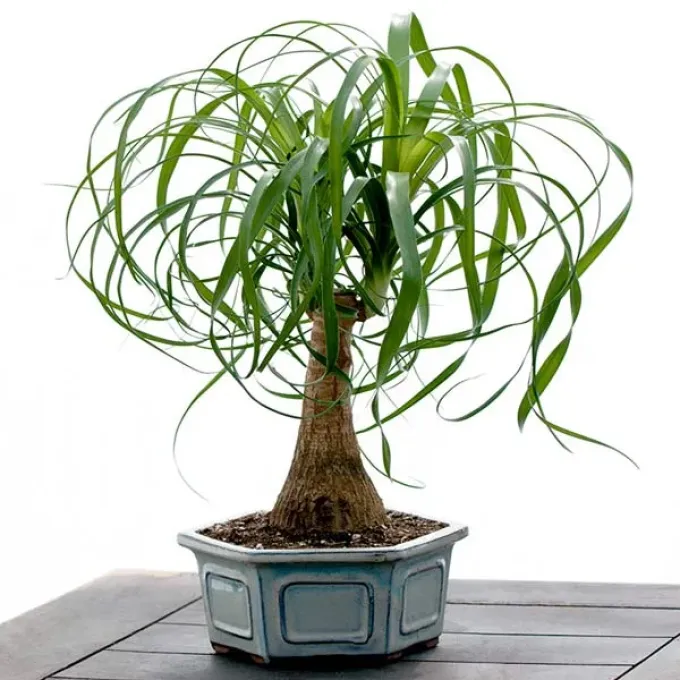
Description
Growing requirements
Beaucarnea compacta is a distinct succulent species within the Asparagaceae family. Renowned for its dense, compact growth habit, it is an evolutionarily advanced plant adapted to survive in extreme moisture-deficient environments.
Native to the arid landscapes of Mexico, the plant features a significant swollen caudex. This biological adaptation allows the plant to function as a water reservoir, ensuring survival during prolonged drought conditions in its natural habitat.
The cultural requirements for this species focus heavily on light intensity. It thrives under full spectrum light and requires several hours of direct sunshine daily to maintain its structural integrity and slow, compact growth rate.
Soil composition must prioritize drainage. An ideal growing medium consists of a mix of pumice, perlite, and coarse sand combined with a minimal amount of organic matter to mimic the rocky terrain of its origin.
Climate control involves maintaining moderate temperatures during the day with a significant drop during the night to reflect desert conditions. Consistent, excessive heat without adequate ventilation can lead to physiological stress.
Main diseases and pests
Pathological threats are primarily linked to improper irrigation. Overwatering often results in hypoxia in the root zone, which facilitates the development of various fungal pathogens leading to fatal stem rot.
Spider mites are the most common arthropod pests observed on the foliage. Their presence is usually an indicator that the ambient air humidity is significantly lower than required for optimal plant vigor.
Mealybugs can also infest the tight spaces between leaf bases. Because of the plant's unique anatomy, these pests are difficult to eradicate once they establish a colony, requiring targeted applications of systemic insecticides.
Proactive management includes strict irrigation discipline. The "soak and dry" method is the industry standard for this genus to prevent moisture accumulation around the basal caudex.
If rot is detected, surgical removal of infected tissues followed by the application of antiseptic dusting agents is necessary. Proper sanitation of tools after each interaction with the plant is critical to prevent the spread of infections.