
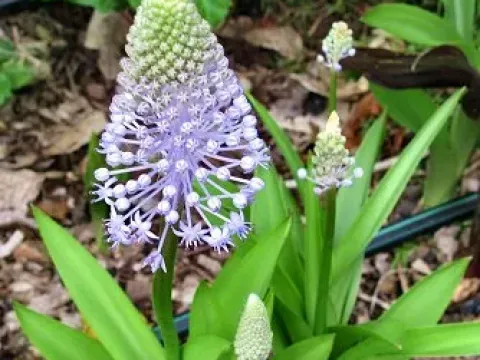
Autonoe
Autonoe
Sowing Autonoe requires careful preparation of the seedbed to ensure optimal soil-to-seed contact. In temperate zones, it is best to sow during early spring once the threat of late frost has passed, ensuring the soil temperature remains conducive to germination.
What the section contains

Autonoe
Seeds should be planted at a shallow depth of approximately 2 to 3 centimeters. Placing seeds too deep can significantly inhibit their energy of emergence, leading to uneven stands and reduced population density in the early stages of development.
Spacing is a crucial factor for the success of this crop. Maintaining a row width of at least 45 centimeters allows for adequate light penetration and air circulation, which are vital for reducing the prevalence of moisture-related diseases later in the season.
For those starting with transplants, seeds are usually sown in trays 4–6 weeks before the final expected frost. This practice allows for a more controlled environment, ensuring the young plants have a strong root system before being moved to the field.
Post-sowing irrigation is essential to settle the soil around the seeds. Maintaining consistent soil moisture during the first two weeks post-germination is critical to establishing a uniform crop stand and promoting vigorous early growth.
Autonoe thrives in well-drained, sandy loam soils that possess a high level of aeration. The crop is notably sensitive to waterlogged conditions, which can lead to root asphyxiation and create a favorable environment for soil-borne pathogens.
The ideal soil pH for this culture ranges between 6.0 and 7.0. If the soil is too acidic, liming should be performed well in advance of sowing to ensure proper nutrient availability, particularly for essential micronutrients needed during the vegetative phase.
This crop requires full sun exposure to achieve its full potential. Areas with partial shade often result in etiolated plants with weaker stems, which are significantly more susceptible to lodging and damage from environmental stressors.
Fertilization management should focus on a balanced NPK ratio. Excessive nitrogen applications should be avoided during the late growth stages to prevent succulent growth that is overly attractive to aphids and other piercing-sucking insects.
Temperature management is straightforward, as the crop is adapted to moderate ranges. However, during periods of extreme heat, additional irrigation may be necessary to maintain turgor pressure and prevent the wilting of the foliage.
Root rot is the most significant threat to Autonoe, especially when coupled with poor drainage or over-irrigation. Prevention through strict moisture control and the use of well-structured soil remains the most effective management strategy.
Aphids and spider mites are frequent pests that can colonize the leaves during hot, dry spells. These pests reduce the photosynthetic capacity of the plant by draining vital fluids, ultimately leading to stunted growth and reduced yields.
Integrated Pest Management (IPM) practices should be employed to control pest populations without relying solely on chemical inputs. This includes monitoring for the first signs of infestation and utilizing biological control agents where applicable.
Fungal leaf spots can occur during high humidity, necessitating the need for proper plant spacing to improve air movement. Fungicidal treatments should only be used as a last resort, following a diagnostic identification of the pathogen.
Field sanitation is of paramount importance. Removing plant debris at the end of the season reduces the overwintering sites for both pests and disease spores, thereby lowering the inoculum pressure for the subsequent year.