
Bath asparagus
Ornithogalum pyrenaicum
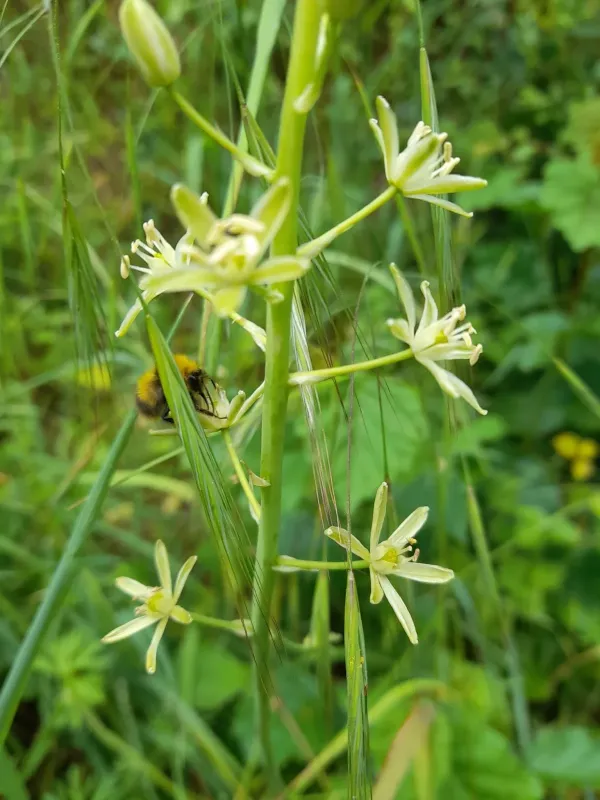
Description
Sowing dates
Bath asparagus, scientifically known as Ornithogalum pyrenaicum, is a perennial bulbous plant that belongs to the Asparagaceae family.
Propagation is typically performed through seeds sown in autumn or spring, or by dividing the clumps of offsets from mature bulbs.
When starting from seeds, ensure a cold stratification period if they do not germinate immediately, as this mimics their natural cycle.
Planting depth should be kept shallow, approximately 1–2 cm, to allow the delicate seedlings to emerge efficiently through the soil surface.
Spacing is crucial for plant development; keeping a distance of 15–20 cm allows the bulbs enough room to grow and multiply over seasons.
Growing requirements
This species thrives in well-drained soils that are rich in organic matter, avoiding areas that are prone to waterlogging in winter.
It prefers a position in full sun or partial shade, mirroring its natural habitats in meadows and open woodlands across its native range.
Regular but moderate watering is required during the active growth period, especially in the spring when the flower stalks are developing.
The soil should be kept weed-free to prevent nutrient competition, which can significantly stunt the growth of the young bulbs.
Though hardy, the plant benefits from a light mulch of compost or leaf mold in colder regions to protect the bulbs from extreme winter frost.
Yield
In terms of agricultural productivity, Bath asparagus is valued for its tender, edible flower spikes that emerge in late spring.
A well-established patch can provide a steady harvest, with yields improving as the bulb clusters increase in size and vigor over time.
Harvesting the shoots early in the season encourages the plant to focus its remaining energy on replenishing the bulb for the next year.
Careful management of soil fertility using organic fertilizers can significantly boost the number of flower spikes produced per square meter.
Yields are typically highest in deep, loamy soils where the bulbs can expand without restriction during their primary growing season.
Main diseases and pests
The most common threats to Ornithogalum pyrenaicum are fungal infections such as basal rot, often triggered by excessively wet soil.
Pests like onion flies and various soil-dwelling nematodes can compromise bulb integrity, leading to weakened growth or plant loss.
Slugs and snails frequently target the succulent young shoots during damp spring weather, causing cosmetic and developmental damage.
Preventative measures include ensuring excellent soil drainage and practicing crop rotation if the plants are being cultivated on a larger scale.
In case of pest infestation, early detection and the use of targeted biological controls are the most effective management strategies.
Harvesting
Edible shoots are harvested by snapping or cutting them at the base when they are still firm and the buds remain tightly closed.
For ornamental purposes, flower spikes are cut when the lower florets begin to open, ensuring a longer display life in floral arrangements.
Bulbs meant for transplanting or storage should be lifted only after the foliage has fully withered and turned yellow in mid-summer.
Post-harvest, bulbs should be cleaned gently, dried in a shaded, well-ventilated location, and stored in a cool, dry place until replanting.
Proper storage prevents the bulbs from shriveling or rotting, ensuring they remain viable for the next planting cycle in the coming year.