
Beaucarnea pliabilis
Beaucarnea pliabilis
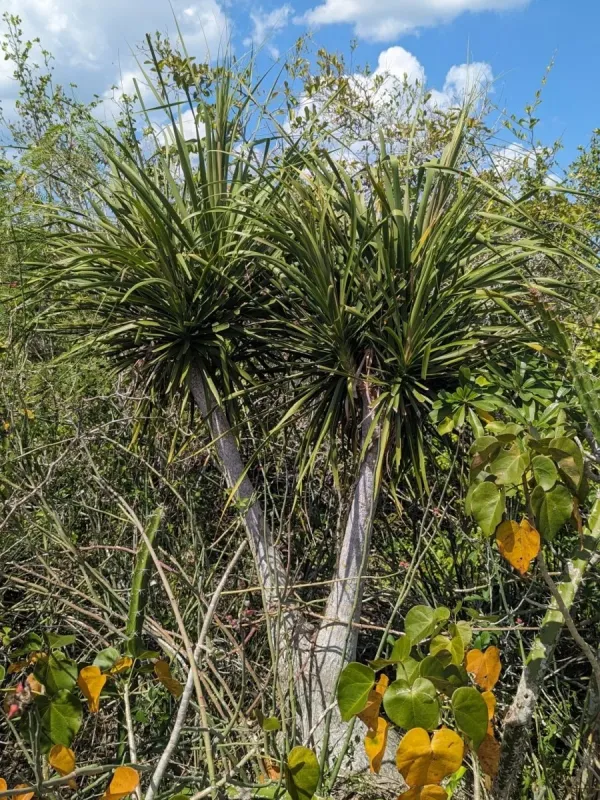
Description
Growing requirements
Beaucarnea pliabilis is a unique evergreen arboreal plant belonging to the Asparagaceae family. Native to the tropical regions of the Yucatan Peninsula in Mexico, it thrives in dry, rocky environments where few other plants can survive successfully.
The most distinctive botanical feature of this plant is its swollen base, known as a caudex. This structure acts as a water storage organ, allowing the plant to survive extended periods of drought by regulating its internal moisture reserves efficiently.
Regarding soil requirements, the plant necessitates a well-draining substrate, such as a mix of cactus soil, sand, and perlite. A heavy, moisture-retentive substrate is detrimental as it leads to root asphyxiation and eventual plant decline in indoor settings.
Beaucarnea pliabilis requires bright, indirect light to maintain its structural integrity and leaf color. While it can tolerate short exposures to direct sun, excessive intensity can cause scorching, especially if the plant is not properly acclimated to bright light.
Economically, this species is highly valued in the nursery and ornamental plant trade. It is often marketed as a high-end architectural plant, favored by designers for its slow growth habit and iconic aesthetic, which fits perfectly in modern xeriscaping or office decor.
Main diseases and pests
Root rot, caused by overwatering or poor drainage, remains the primary threat to the health of Beaucarnea pliabilis. Constant soil moisture promotes the growth of opportunistic fungi that can destroy the delicate root system within a few weeks.
Spider mites are the most frequent pests associated with this plant, especially during winter months when indoor heating lowers relative humidity. Infestations typically start on the undersides of leaves, leading to yellowing and premature leaf fall.
Mealybugs and scale insects may also infest the plant, settling in the crevices between leaf bases. These pests weaken the plant by extracting sap, which often leads to the development of sooty mold on the honeydew they excrete during feeding.
Management of pest outbreaks involves regular mechanical cleaning or the application of horticultural oils. In cases of severe infestation, systemic insecticides labeled for ornamental use are effective, provided the label instructions are followed strictly.
Prevention remains the most effective management strategy for this succulent. By ensuring adequate airflow, monitoring soil moisture levels closely, and maintaining proper sanitation, gardeners can minimize the risk of serious health issues for this hardy plant.