
Beaucarnea hiriartiae
Beaucarnea hiriartiae
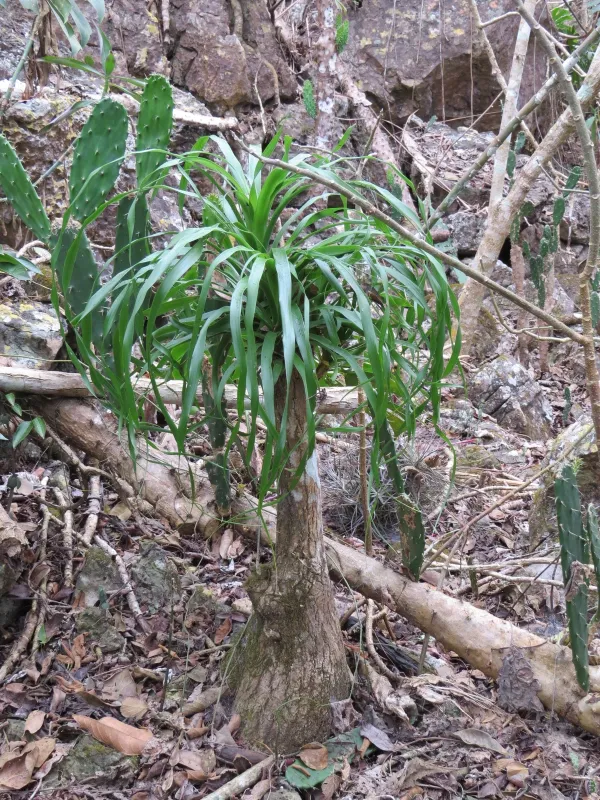
Description
Growing requirements
Beaucarnea hiriartiae is a distinct succulent species belonging to the Asparagaceae family. Endemic to the dry forests of Mexico, it is highly adapted to arid environments through its prominent swollen base, known as a caudex.
This plant requires a well-draining, mineral-based substrate to thrive. It performs best in soils composed of pumice, perlite, and coarse sand, which prevent water from accumulating around the root system.
Light intensity is critical for the development of a healthy caudex and balanced growth. It requires full sunlight to maintain its structural integrity and avoid becoming etiolated, which weakens the plant's overall health.
The watering regime must follow the principle of "soak and dry." During the growing season, water thoroughly but allow the soil to dry out completely between waterings to mimic the natural fluctuations of its habitat.
Temperature management is key; while the species is heat-tolerant, it requires a distinct cooling period during the winter months to enter dormancy. Maintaining a temperate environment during this stage ensures long-term viability.
Main diseases and pests
Root rot is the most significant threat to Beaucarnea hiriartiae. It is almost exclusively caused by overwatering or poor drainage, leading to the rapid decay of the plant's basal tissues.
Pests such as spider mites can infest the foliage, particularly in low-humidity environments. Regular inspection of the leaves is necessary to catch infestations before they cause permanent damage to the plant.
Mealybugs represent another common challenge. They tend to hide in the tight spaces where the leaves emerge from the stem, making them difficult to detect without careful attention.
Fungal infections can occur if moisture remains on the foliage or in the soil for too long. Improving air circulation around the plant is an effective preventative measure against these pathogens.
Environmental stress, such as sudden shifts in light or temperature, can also impact the plant's health. Stable conditions are preferred to prevent physiological disorders that lead to foliage drop or stunted development.