
Beaucarnea glassiana
Beaucarnea glassiana
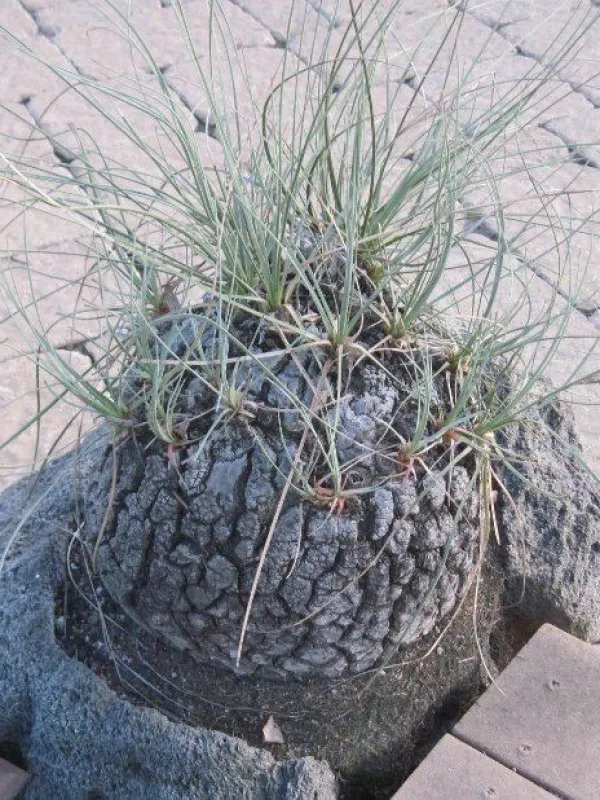
Description
Growing requirements
Beaucarnea glassiana is a striking succulent species native to the arid landscapes of Mexico, belonging to the Asparagaceae family. It is characterized by its swollen stem base, known as a caudex, which stores water to sustain the plant during prolonged dry periods.
To cultivate this species successfully, growers must prioritize well-draining soil mixes. A standard recommendation includes a combination of peat-free substrate, volcanic pumice, and coarse horticultural sand to replicate the rocky natural environment of its habitat.
Light requirements are high for this genus. Beaucarnea glassiana thrives in bright, indirect light or full sun, provided it has been acclimated gradually to prevent foliage scorch. Insufficient light results in weak growth and loss of the characteristic globular stem shape.
Watering practices are the most critical aspect of the plant's husbandry. The grower should allow the substrate to dry out completely between waterings. During the winter dormant phase, the plant requires very little water to maintain its metabolic balance without inducing decay.
As a decorative plant, Beaucarnea glassiana is highly valued for its slow growth rate and architectural aesthetic. It is frequently employed in xeriscaping or as an ornamental centerpiece in interior design, providing a unique sculptural focal point for residential or commercial spaces.
Main diseases and pests
The primary threat to Beaucarnea glassiana is root rot caused by poor soil aeration and excessive moisture. This condition is often irreversible once the caudex begins to soften, making preventative drainage checks essential for plant longevity.
Insect infestations such as scale insects are common in indoor environments. These pests attach themselves to the base of the leaves and the stem, draining nutrients and weakening the plant's structural integrity if left untreated.
Mealybugs are another common adversary, typically hiding in the leaf axils where they form white, cotton-like masses. Manual removal followed by an application of insecticidal soap is typically required to eradicate the colony and restore plant health.
Spider mites represent a significant risk, particularly during winter months when indoor air humidity levels drop due to central heating. The infestation causes leaves to lose their vibrant color and eventually leads to leaf drop.
Pathogen prevention is best achieved through rigorous observation and maintaining clean gardening practices. Avoiding high-nitrogen fertilizers is also recommended, as they can encourage succulent growth that is overly soft and prone to opportunistic infections.