
Beaucarnea guatemalensis
Beaucarnea guatemalensis
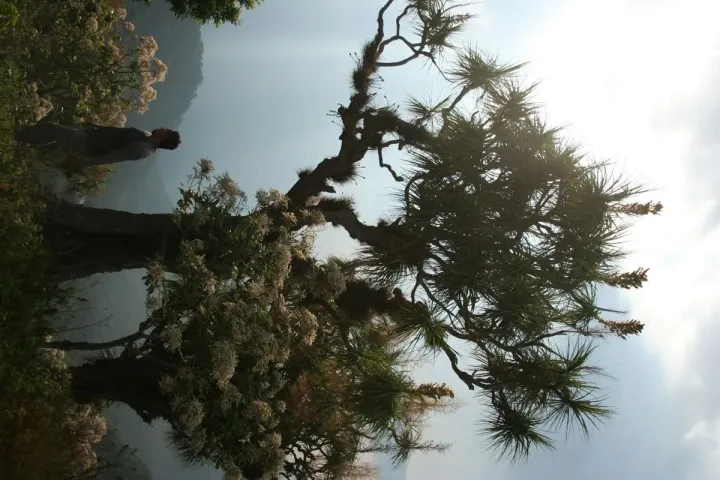
Description
Growing requirements
Beaucarnea guatemalensis is a remarkable succulent species belonging to the Asparagaceae family. Native to the dry regions of Guatemala, this plant is best known for its swollen base, or caudex, which serves as a natural reservoir, allowing it to thrive in arid environmental conditions.
In its natural habitat, this plant grows on rocky slopes, displaying a slow growth rate that makes it a popular specimen for interior landscaping and specialized conservatory collections. Its unique architectural form makes it a focal point in any horticultural setting.
The plant requires bright, indirect light to maintain its compact growth and healthy foliage. While it can tolerate some direct morning sun, intense midday light in hot climates should be diffused to prevent leaf scorch and dehydration of the succulent tissues.
Soil requirements are strict, focusing on excellent drainage. A substrate consisting of sandy loam, volcanic rock, or specialized succulent mix is ideal. It is crucial to ensure that the potting medium does not retain excessive moisture for long periods.
Management involves a strict watering regimen: provide water only when the growing medium has dried out completely. During the dormant winter season, the plant should be kept almost dry to prevent cellular damage caused by potential cold-wet combinations.
Main diseases and pests
The plant is susceptible to common greenhouse pests, primarily scale insects and mealybugs. Regular monitoring of the foliage and leaf axils is necessary, as these pests can weaken the plant by feeding on its sap and promoting the growth of sooty mold.
Root rot, driven by overwatering or poor soil aeration, is the primary disease threat. Affected plants often show signs of softness at the base of the stem, which frequently indicates that the internal vascular system has already begun to decay due to fungal pathogens.