
Beaucarnea gracilis
Beaucarnea gracilis
Description
Growing requirements
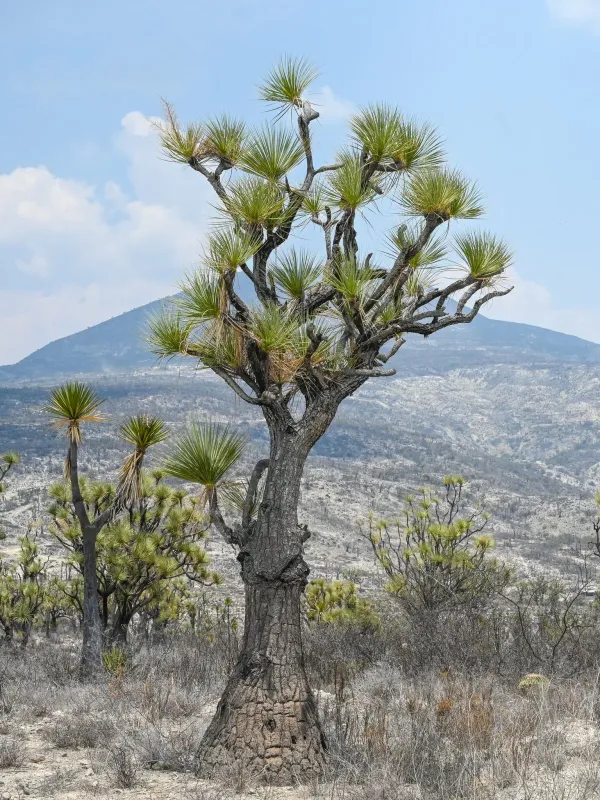
Beaucarnea gracilis is a striking succulent plant belonging to the Asparagaceae family. Native to the arid highlands of Puebla and Oaxaca in Mexico, it has evolved to thrive in harsh, semi-desert conditions.
The plant is botanically distinguished by its characteristic bulbous caudex at the base of the trunk, which functions as a vital water storage organ, enabling the species to endure prolonged periods of extreme drought.
For successful cultivation, Beaucarnea gracilis requires highly permeable, sandy, or rocky soil substrates. Proper drainage is the most critical factor, as stagnant moisture is the primary cause of plant death due to root asphyxiation.
Agrotechnical requirements include full sun exposure, which is necessary to maintain the structural integrity and health of the foliage. During the growing season, moderate temperatures are preferred, while a cool and dry dormant period in winter is essential for long-term survival.
Industrially and commercially, this species is utilized solely within the ornamental horticulture sector. It is prized for its architectural form, longevity, and low-maintenance requirements in interior designs and arid-climate landscaping projects.
Main diseases and pests
The primary threats to Beaucarnea gracilis involve phytopathological issues related to over-irrigation. Excessive soil moisture typically leads to aggressive stem and root rot.
Insect pests include common succulent predators such as spider mites and scale insects. These pests are often attracted to stressed plants kept in poorly ventilated environments with low atmospheric humidity.
Control measures necessitate the use of specialized systemic insecticides and the immediate removal of infested leaves to prevent the spread of the colony.
To ensure disease prevention, cultivators should prioritize the use of sterilized potting mixes and maintain consistent, well-monitored light conditions throughout the year.
Early diagnosis of decay in the caudex area is crucial; soft, mushy tissues often indicate that the cultural environment requires urgent adjustment to restore health.